
How risk management in real estate can drive climate transition

In recent years, a combination of pandemic effects, war, climate change, and structural dependencies has impacted energy systems, making it clear that energy dependence, especially on gas and other fossil fuels, poses a risk. A growing number of entities, including countries and property developers, are now considering whether they want this risk exposure.
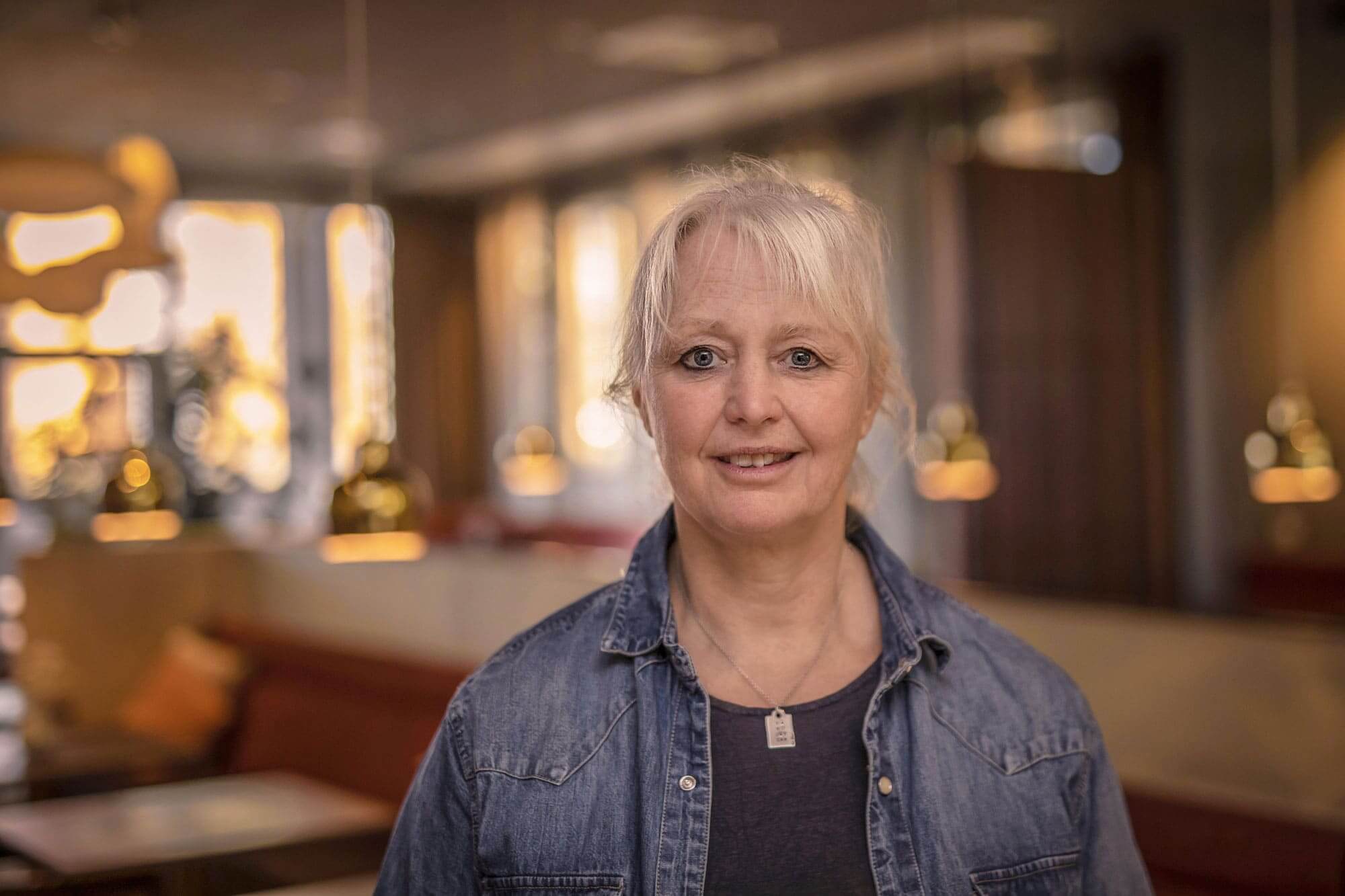
- Risk exposure will drive the transition, says Niklas Johansson, Senior Business Developer at E.ON. Risk exposure and energy security have emerged as strong drivers for real estate investors, as these threats are more immediate than the climate threat.
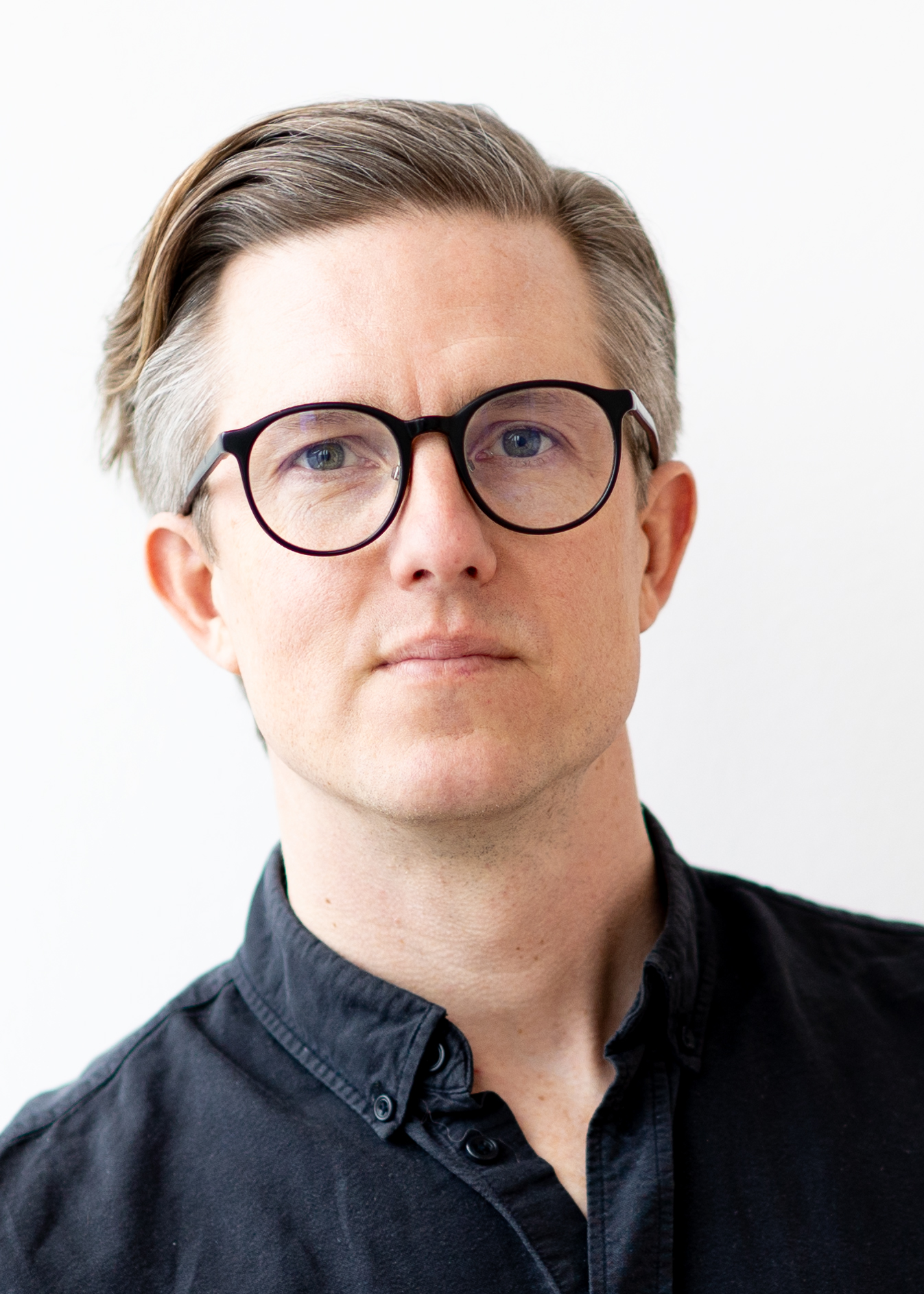
Niklas Johansson believes that property companies are now often driving development in areas such as energy, having realized that to achieve the most profitable product/property possible, more value needs to be unlocked. One way to do this is by reducing the property's climate footprint.
- Property companies are experts in risks that arise when building new properties, for example, concerning buildings and material prices, but have found it more challenging to manage energy-related risks.
Now, risk management and sustainability can go hand in hand.
- Right now, reducing energy consumption and eliminating carbon emissions is a very good business decision. Strong regulations are emerging from the EU, which could lead to energy-inefficient buildings facing operational bans and becoming stranded assets. Even if this might be nuanced in reality over time, investors don't want to take that risk.
So, how do you calculate risk? Niklas Johansson uses a high-level calculation for Silvertown in London as an example. This is an area where E.ON has already begun implementing its energy innovation, ectogrid™.
- The area in London was previously 100% exposed to the gas industry, which entails 100% risk. Through ectogrid™, we reduce emissions by up to 88% for the area and can drive down energy exposure by approximately 75%. The area will then be only 25% exposed to the electricity market instead of 100% to the gas market.
The electricity market includes energy from many sources with varying carbon footprints, so in the 25% exposure to the electricity market, sustainable sources are also utilized, which is not the case in the gas market.
E.ON and their ectogrid™ offer one solution that can enhance energy security and reduce the climate footprint in properties and urban areas. Their energy innovation essentially involves capturing low-temperature heat and cold and utilizing them in a system where units are balanced against each other. Heat and cold can be distributed among properties of different types and with varying energy needs.
- We received the UN award at COP 28 in Dubai partly because we built the energy system to be scalable, explains Niklas Johansson at E.ON. Our digital platform is cloud-based and can be used for all projects. We now have several hundred buildings connected, and the more there are, the better the AI models become.
In its ectogrid™ system, E.ON has found a way to combine standard products such as plastic pipes and heat pumps into a powerful and patented system controlled by advanced software.
- With our system, countries not accustomed to district heating and cooling can jump straight into fifth-generation district heating, concludes Niklas Johansson. We see that we can help eliminate the risk posed by properties with excessive carbon footprints!
Future by Lund is involved in next-generation district heating development
Sweden is one of the leading countries in the development of next-generation district heating networks. In Lund and Malmö, there are several concrete examples of integrated and modern energy systems among Future By Lund's members:
Medicon Village, Lund: The world's first large-scale ectogrid™ system. Here, approximately 15 buildings with varying needs are connected, allowing them to share energy with each other and with nearby residences. E.ON's ectogrid™ is considered fifth-generation district heating (5GDH), which means that advanced, low-temperature technology integrates heating and cooling needs within the same system. By using very low temperatures and decentralized heat pumps, buildings' surplus heat can be shared and reused, reducing energy losses and enabling a more sustainable energy supply.
Embassy of Sharing, Malmö: Granitor is developing a new area in the Hyllie district with seven buildings that share heating and cooling via a system based on geothermal energy and heat pumps.
Brunnshög, Lund (Kraftringen): In Lund, there is an extensive low-temperature district heating network that recovers waste heat (30–50 °C) from the research facilities MAX IV and ESS. Xplorion is LKF's passive house project, which is part of this network. There, a heat pump is used to locally raise the temperature of the incoming low-temperature district heating.
How does E.ON ectogrid™ work?
Here's how E.ON explains its system:
E.ON ectogrid™ produces both heating and cooling within a single system. Additionally, energy is balanced between buildings with varying heating and cooling needs before new energy is supplied.
E.ON ectogrid™ is a closed network operating at low temperatures where heat pumps and chillers in each building adjust the temperature as needed. In this process, each building then transfers surplus heat or cooling to other buildings, depending on their requirements. By sharing, balancing, and storing energy in a closed loop, E.ON ectogrid™ efficiently utilizes all available energy flows before new energy is supplied. This drastically reduces energy consumption – and in turn, costs and environmental impact.
By primarily maximizing the use of all available energy within the system, E.ON ectogrid™ can delay bringing in new energy until the opportune moments. This helps relieve the strain on the electricity grid and provides greater opportunities to utilize intermittent renewable energy sources.
The cloud technology E.ON ectocloud™ uses algorithms to optimize energy flow and storage within E.ON ectogrid™ based on data including seasons, weather, local energy production, and energy prices.
(The above text is borrowed from E.ON's website)