
Production of alternative proteins – Swedish strengths and weaknesses
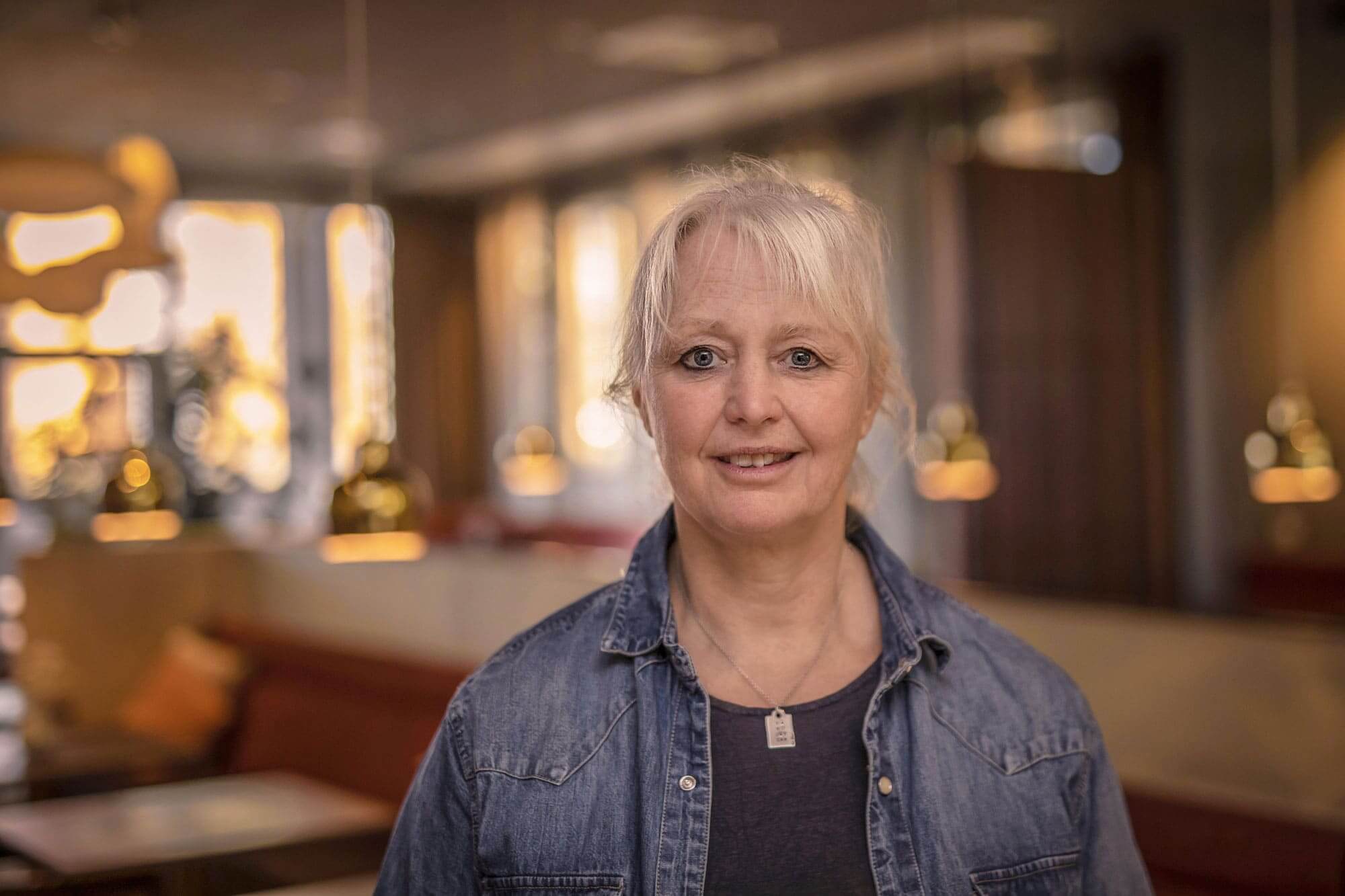
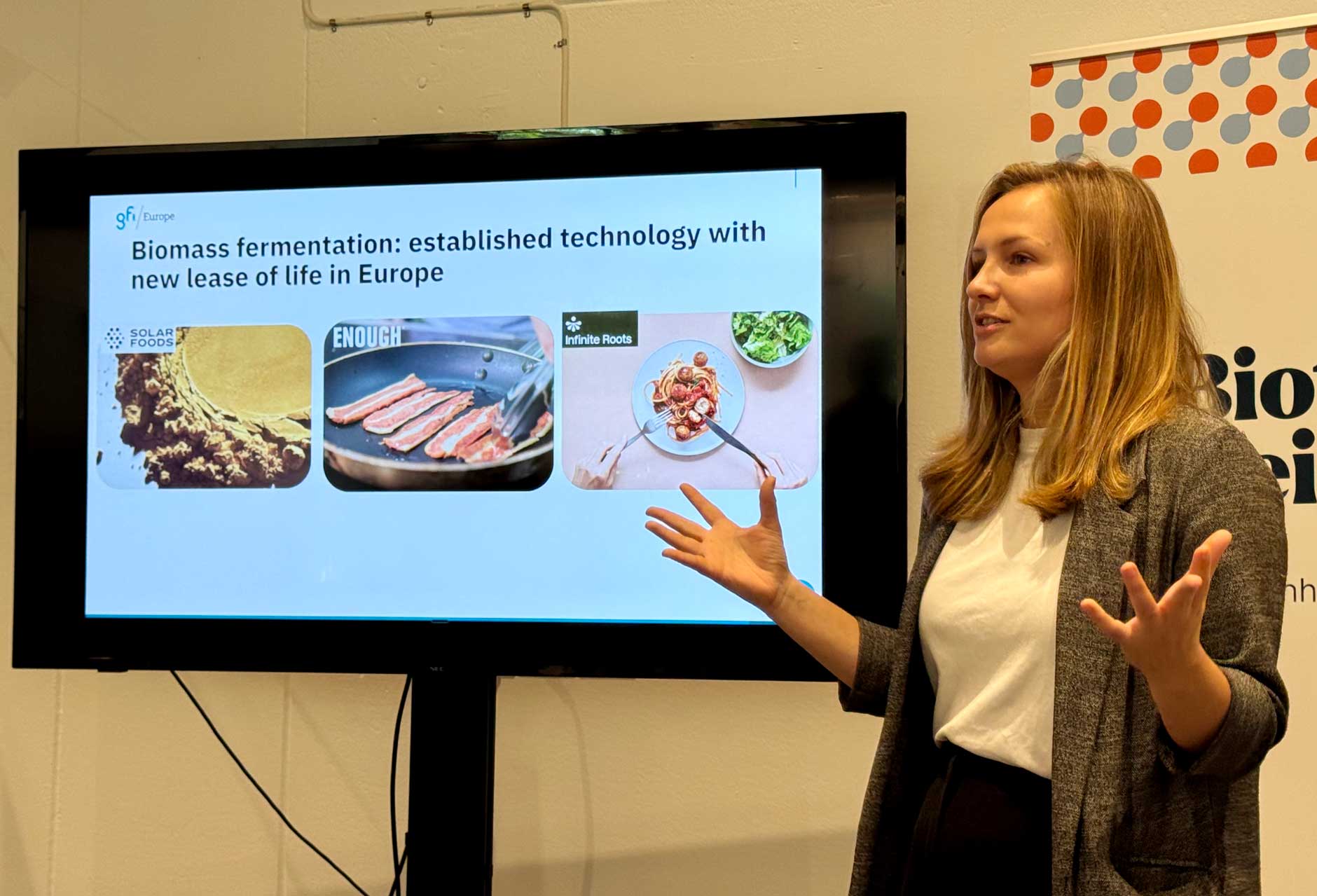
Good Food Institute (GFI) is a non-profit think tank that aims to accelerate the transition to alternative proteins (plant-based products as well as fermented and cultivated proteins), as it views the volume and scale of current meat consumption as unsustainable. To accelerate the alternative production sector, they employ three different approaches: fostering technological advancements in collaboration with academia, partnering with industry investors, and engaging with policymakers. When Biotech Heights hosted the dialogue meeting "Roadmap for Biotech-based Food in Sweden" in Lund in the autumn of 2026, GFI’s Nordic lead, Ellie Walden, presented the think tank’s analysis of Sweden’s standing in the field from an international perspective.
- Our fundamental analysis is that Sweden possesses most of the elements needed to be a global leader in this field, she says. There are interested consumers here, as well as academic, industry, and industrial strengths. What is missing is a view of food biotechnology as a priority in its own right, which would allow these assets to be consolidated and operationalized effectively.
The assessment is that Sweden has a strong scientific base that is highly relevant to fermentation and cultivated proteins.
- The academic base is very competitive in biotechnology, with Karolinska and Lund among the top three European universities, Ellie Walden continues. There are also systems and opportunities for synthetic biology here, which are relevant for cultivated meat products, fermentation, bioprocess technology, and biomass conversion.
Regarding public funding for research into alternative proteins, they found that Sweden is quite competitive by European standards. However, when GFI dug a little deeper, they saw that the majority of support goes to the production of plant-based proteins, with very little going to research on fermentation and cultivated proteins.
– More funding for basic research in this area could be truly significant, as the lack of funds for R&D on the fermentation side affects the entire innovation chain.
GFI has also looked at the number of patents originating from Sweden over the last five years. In the field of fermentation, Sweden is comparable to countries like the Netherlands in terms of the number of patents—but a closer look reveals that half of these patents are linked to the same company, Mycorena. As for cultivated proteins, the number of patents is even lower.
- Despite all the industrial and economic strengths, we have only found eight fermentation and cultivation companies. The potential is there, but it is not translating into results. This shows us that there is a missed opportunity to have a more dynamic industrial ecosystem.
In terms of private investment, GFI sees that Sweden is lagging behind other European countries. The most immediate example is in the fermentation sector, where, according to GFI, Sweden has only about a third of the fermentation capital that Finland has, for instance. And with cultivated proteins, the figure is even lower when compared to many other countries.
Sweden has a very strong history of spinning out food technology companies, including in alternative proteins, such as ProViva, OptiCept, Oatly!, and Probi. However, a particular challenge seems to be the "Valley of Death"—the transition from startup to scaling up and becoming commercially viable.
– This is particularly noticeable for companies in the alternative protein sector. We are talking about a sector that is trying to enter a commodity market with very high capital costs, high volume, but quite low margins. This makes it different from other innovative sectors. In our analysis, we see that most international companies and ecosystems that are doing really well in this field have been helped by some form of risk mitigation.
What Ellie Walden envisions is an opportunity to lower risks through some form of support.
– In Sweden, we have not found any examples of Swedish state support to reduce the risk for alternative protein companies. The EU initiative "Important Projects of Common European Interest" (IPCEI) is a mechanism that can provide countries with the opportunity to fund companies and support scaling in food biotechnology. Finland has opened up for an initiative in this area that could potentially mean tens of billions in support for the sector, but we have not seen any signs that Sweden is on the verge of opening up a similar opportunity.
Despite the lack of capital, GFI considers Sweden quite competitive compared to the rest of Europe when it comes to the number of open facilities available for industry use. Furthermore, GFI sees that Sweden has many structural and natural advantages for scaling and even production. There is relatively cheap and green industrial energy, as well as raw materials such as oats and forest residues.
- If Sweden decides to have a clear goal regarding food biotechnology, the next question is what they choose to focus on, concludes Ellie Walden. There are many really strong candidates here, for example, taking the path of high-value ingredients to produce precision fermentation proteins or high-value cell culture media.
Other paths that could be chosen include, for example, investing in specialized equipment such as bioreactors, or manufacturing bulk ingredients from various raw materials or biomass.
Source: All material is based on the Good Food Institute's analysis of the state of alternative proteins in Sweden, presented by Ellie Walden in Lund on September 11, 2026.