Innovative financing helps in climate work
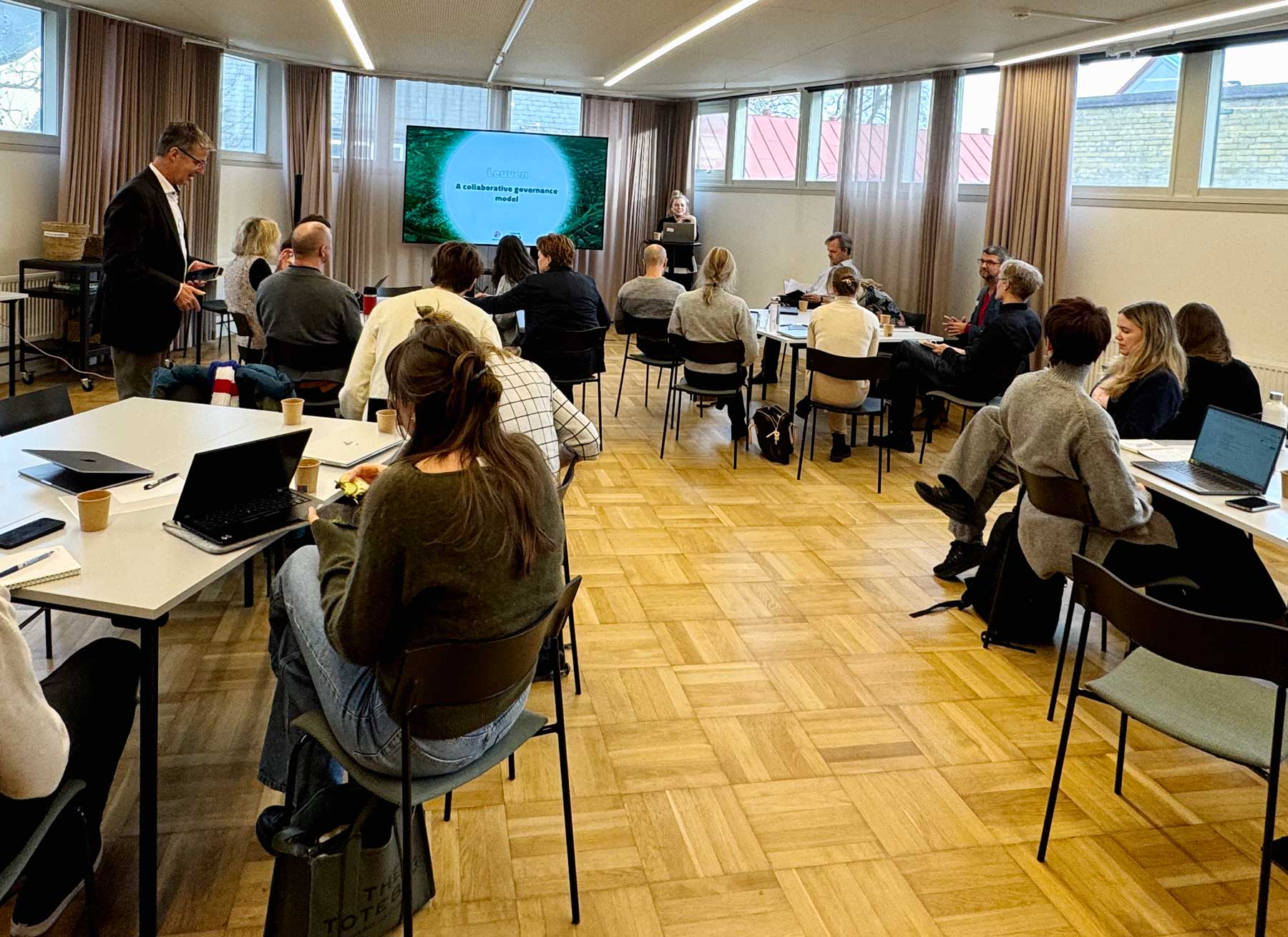
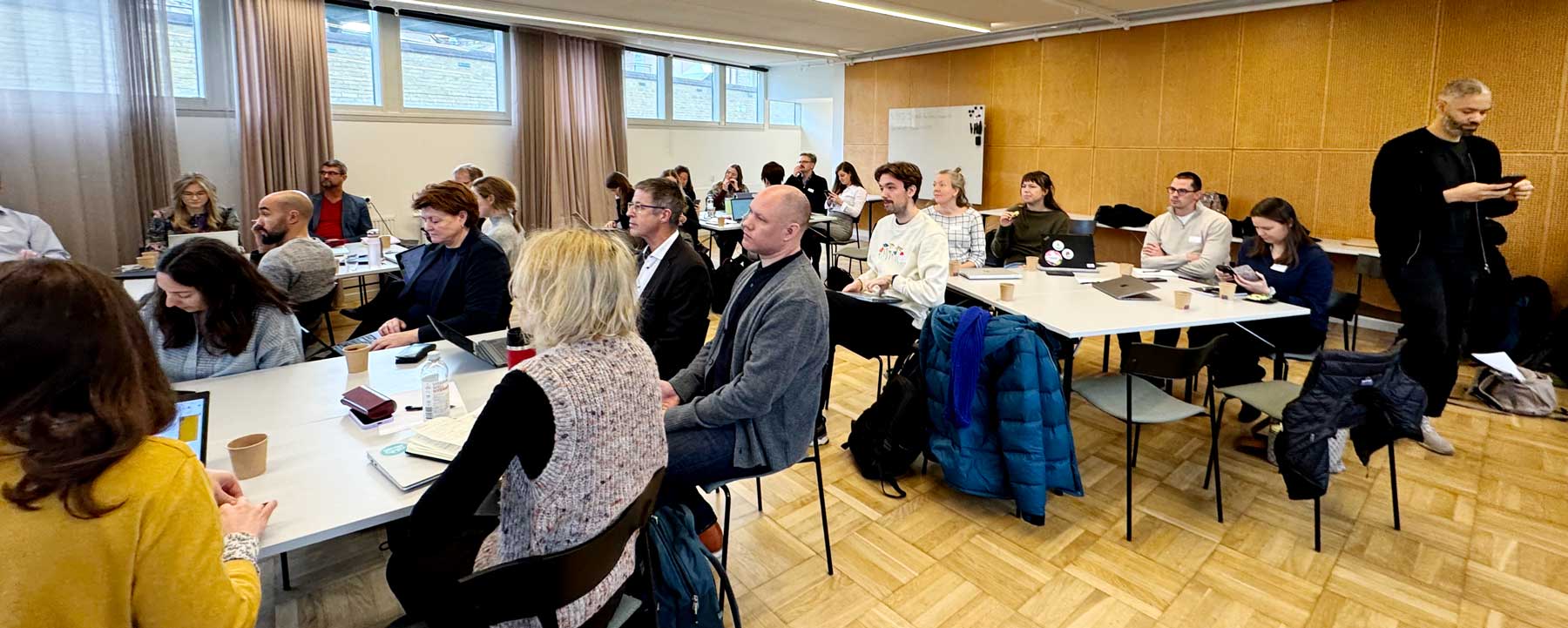
At the end of November, eleven European cities met in Lund to discuss the governance of cooperation between the cities and the private sector on the climate transition within the CoGovernance project. The cities meet several times during the project to exchange experiences with each other, and this time it was four cities that gave presentations about their work with private stakeholders.
"During these days, we have seen that it is important that the cities adapt their offer to the companies they want to work with," says Mikael Edelstam, who coordinates the group. “It is important to be creative when offering incentives for stakeholders to increase their ambitions. There are different values – visibility, access to information, access to networks, workshops and training sessions, exposure to talent, invitations to project partnerships, international perspective, support in finding new business opportunities outside the city, and more. “
The City of Malmö was one of the cities that presented their work, where a starting point was to identify and target different types and sizes of private stakeholders and manage relationships and partnerships based on these differences. The city of Mannheim uses the European Green Deal as a starting point when making "agreements" on commitment, and Belgian Leuven uses a separate non-profit organization and has identified 87 breakthrough projects that are pushing for action and funding in collaboration with the financial sector. Bristol presented its successful work on different models to finance the transition to a climate-neutral society with efforts from private financiers.
"We realised that in order to tackle the climate emergency, we need to bring in capacity and capital through private sector investment," says Alex Minshull, Sustainable City and Climate Change Service Manager in Bristol. “We carry out projects to reduce the carbon footprint of, for example, municipal buildings, land, roads and homes - this can be about solar panels, energy efficiency and more. When we went out to explore this idea with organisations around the world, we received 188 expressions of interest. After the start of the Bristol City Leap Joint Venture, we now see a tenfold increase in investments compared to the City Council's investments.”
Alex Minshull is positive about the collaborative climate in CoGovernance.
"This project is about honestly sharing strengths, weaknesses and lessons. For me, it's also about trying to see how other people's experiences can be translated into our own context. Yesterday we had representatives from Malmö who spoke about the work that has been done to reconsider the municipality's role in various areas, and that they were very clear about what can be done. The conclusion I drew is the importance of making the very complicated process, reducing carbon emissions in the city, very clear communication in order to be able to explain it to decision-makers and investors.”
Representatives from NetZeroCities were also present at the meeting and looked especially for patterns in information and ideas during the conversations.
“We listen carefully to the conversation and look for recurring themes to translate into other contexts. It can be to think of public assets in a different way and give access to them like you get access to car-sharing services. It was interesting to hear how Bristol has new ways to explore high-risk funds with private developers to reduce carbon emissions in the city," says Simon Höher, Dark Matter Labs.
Several participating cities testify that interest in the climate transition has lost momentum and therefore emphasize the importance of using new arguments. As resilience, energy security and similar drivers are now attracting more interest, these may be good words to use because the measures required are often the same as for a climate transition.
"The work on climate change has been going on for decades, but now the conversation is shifting: people are starting to talk about European sovereignty, resilience and security more prominently," says Simon Höher. Sometimes it's the same people doing exactly the same work, but it's important to have an understanding of where the political momentum is moving right now and what words to use.
Simon Höher also sees the importance of addressing the right people or professional roles to work with the climate transition.
"We may need to understand who the most important and interested actors are, but also who cannot do anything under given circumstances. For example, it is not always easy to come up with radically innovative financing approach to a treasury department that is mandated with overseeing the city budget. We need to understand who is who and what they bring to the table and what their strengths and constriants are.
This was the second joint meeting during CoGovernance. During the project period, a total of four joint workshops and digital meetings will be held to be able to learn from each other before it is time for a summary.