
“We have put Lund on the map as a leader in the field of IoT”
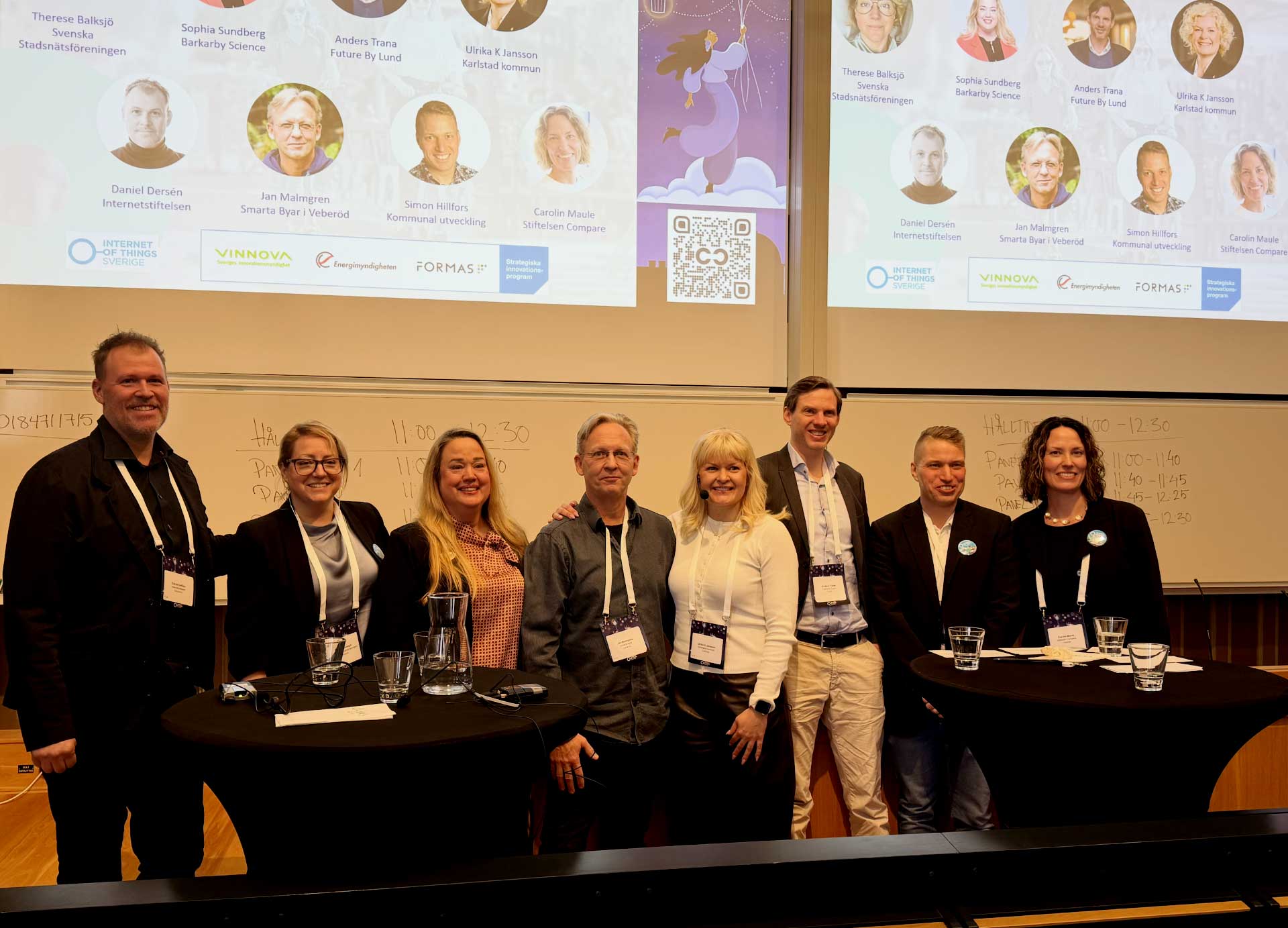
The picture is from IoT Sweden's final conference and borrowed from Smart Villages.
The Strategic Innovation Programme IoT Sweden started in 2014 and continues until the end of 2026. Future by Lund has been involved largely since its inception, including through a project that involved building a sensor network by setting up three gateways in Lund and subsequently through a preliminary project to Smart Public Environments (SOM) which was about strengthening the city's ability to use innovative IoT solutions to develop and streamline public environments.
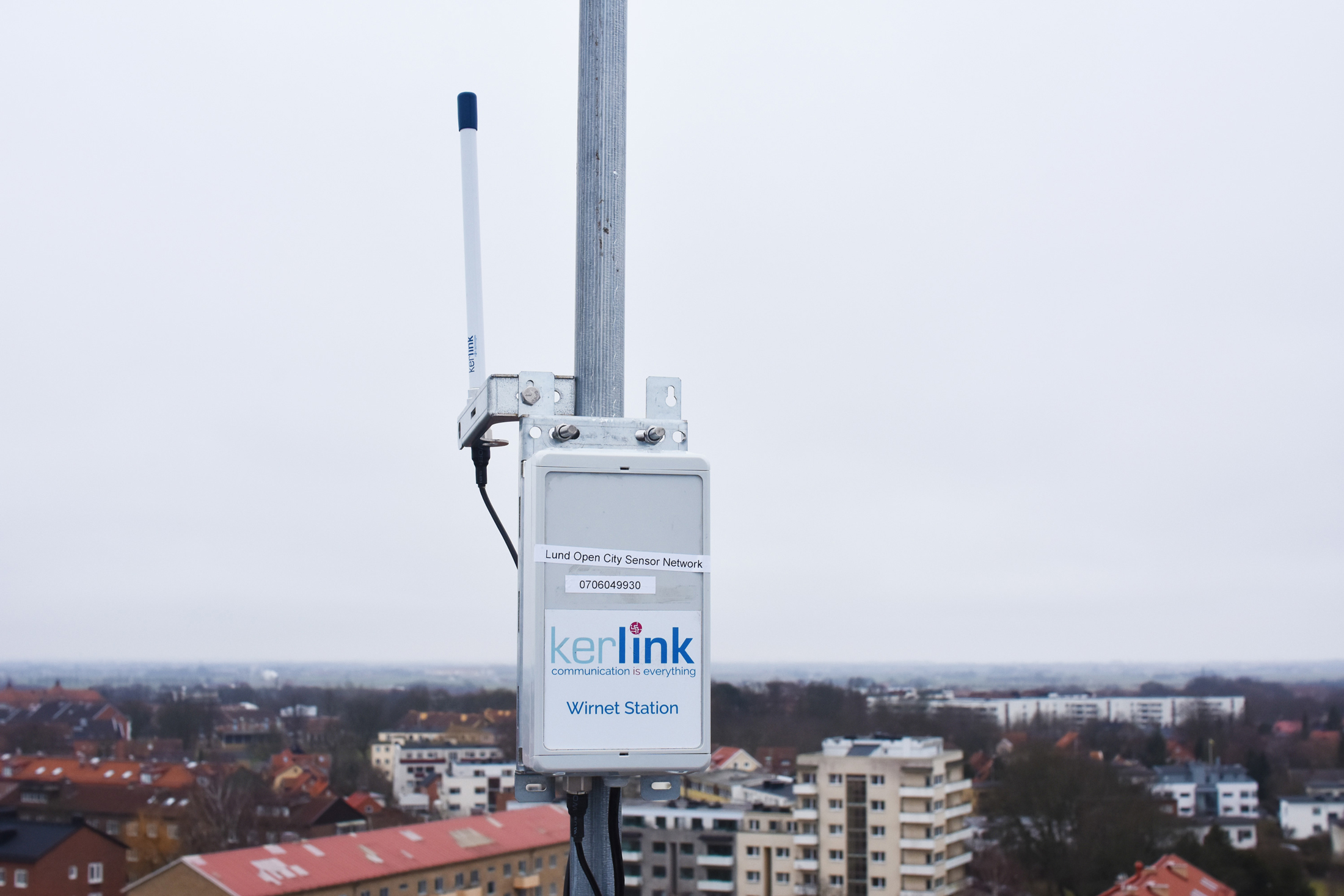
For three and a half years, the main project was then SOM II, with about fifty actors and about 25 sub-projects. This was followed by FLOW and in 2026 in progress Living Labs Smart Communities to make Veberöd a test bed for municipalities so that more people can benefit from their own and others' sensor tests. This has been complemented by the project LOSC which was funded directly by Vinnova.
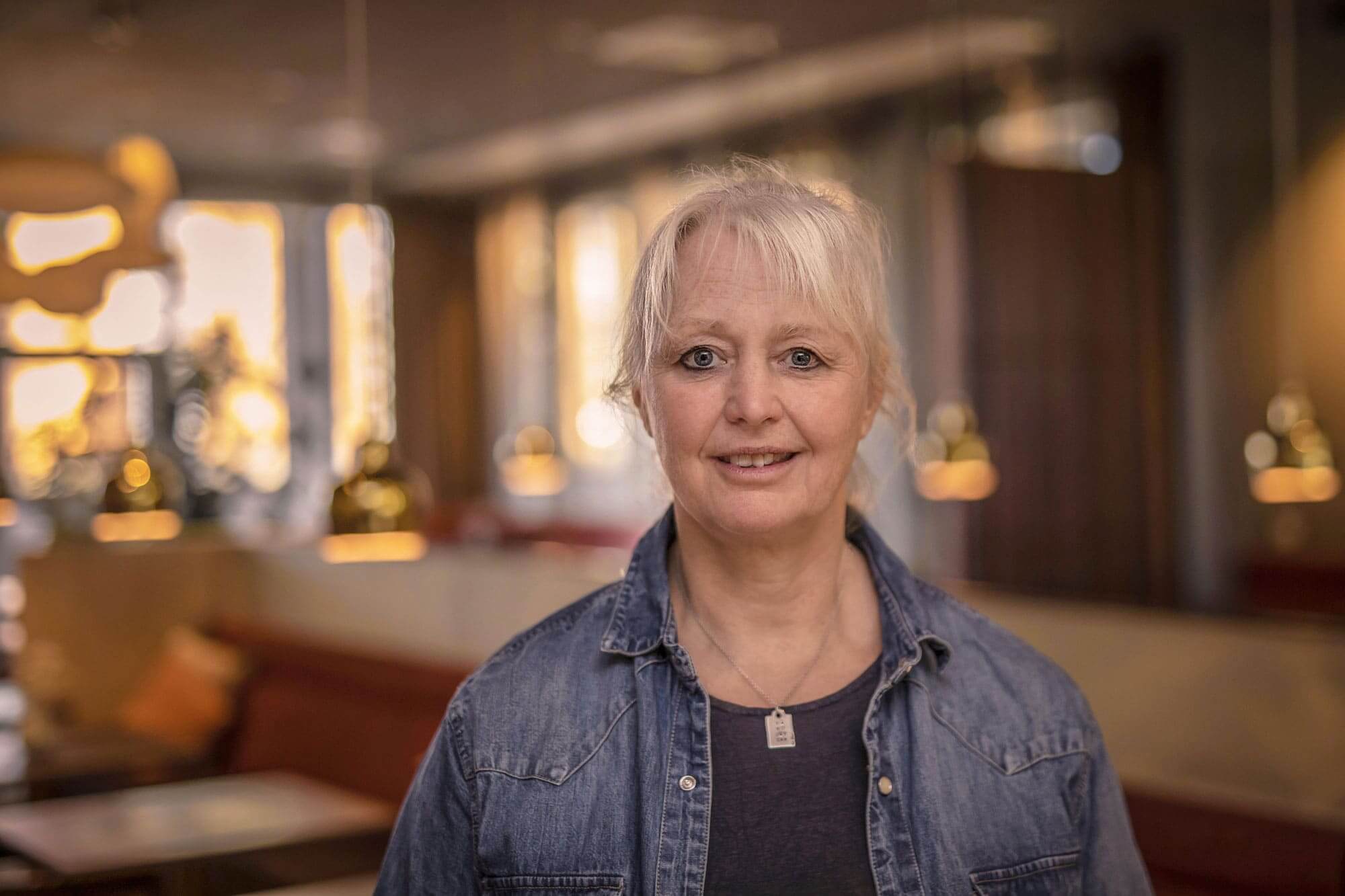
- All this has brought that we have put Lund on the map as a leader in the field of IoT as a solution for creating social benefits, says Anders Trana, project manager for digitalization at Future by Lund and board member of IoT Sweden. We have implemented many solutions and gathered scattered structures in the form of companies so that they have a focal point. The collaboration has created a whole of IoT work in the region of Lund.
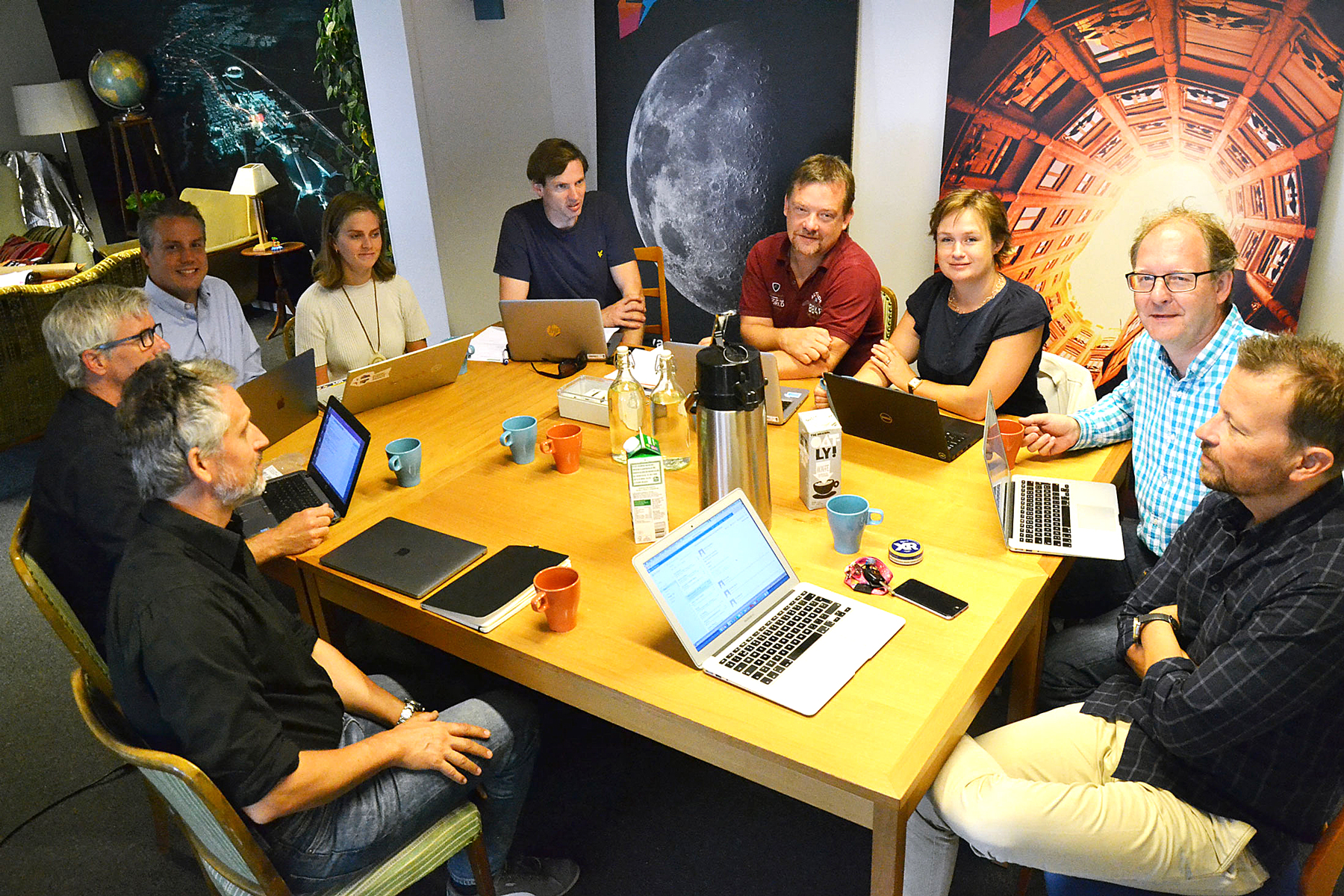
The project that became most decisive was the SOM project, which was carried out in the years 2017 to 2020 when Future by Lund was part of the Lund Municipality. The project had a unique structure in that not all projects were decided in advance, but Vinnova gave the project the opportunity to grant money afterwards to the various actors. This made it possible to work out in collaboration which new technologies the participants wanted to invest in and which ongoing projects could be expanded and further developed.
- There was a lot of interest from actors and we had to limit the inflow when we had a total of about 50 players, Anders Trana continues. There was also a lot of interest in our project meetings and many enthusiastic co-creators stayed for a long time to continue discussing opportunities with each other.
The SOM project was not only relationship-building, but it has also built important applications and business from the results, which were of course some of the goals.
- Sensative with their IoT platform Yggio being the most brilliant example, continues Anders Trana. Now their platform is used by many municipalities in Sweden and Europe. Smart Villages Veberöd was given resources to get started and now they are, among other things, a testing ground for many Swedish municipalities.
In addition to this created Kraftringen a new deal of the IoT network, monitored the electric power grid and kept track of charging points, Trivector Mobility tested sensors as new ways of measuring traffic instead of having human traffic counters or cordons across the street, and Sensefarm put moisture sensors on trees and shrubs to optimize irrigation. Smart villages made sure the cows wouldn't be left without water and tested how to theft-proof bikes with a hidden sensor. For Lund Municipality, it became material for IoT teaching in schools, air quality monitoring via cyclists, heat measurement in various places in the city and sensors to protect public buildings. There were also tests of solutions for smart parcel logistics and waste management - and much more.
- I think that through the SOM project we created a feeling that things are happening in Lund, Anders Trana continues. One reason, of course, is that we have both collaborated and discussed and then had the ability to act. It was a success factor that there were many who could roll up their sleeves and mount sensors. Another important factor is that we found enthusiast who ran the subprojects.
IoT Sweden's belief that the unusual set-up in Lund would succeed was also an important component of the project.
- We have received good support when we have needed it but have often solved it ourself. They have cheered us on and given us a lot of cred, says Anders Trana. We also had a good dialogue with Vinnova.
The FLOW project was about measuring flows and many different tests were made of different ways to measure traffic and travel habits with, among others, Lund Municipality, Smart Villages, Acconeer, OpenTech, MiThings, Sensative and AXIS Communications.
- It is a long journey to work with public actors, while it is faster with industry, Anders Trana continues. Now I think I see that it's starting to move and that it's a different game plan than it was when we started. What is required now, too, is political will.
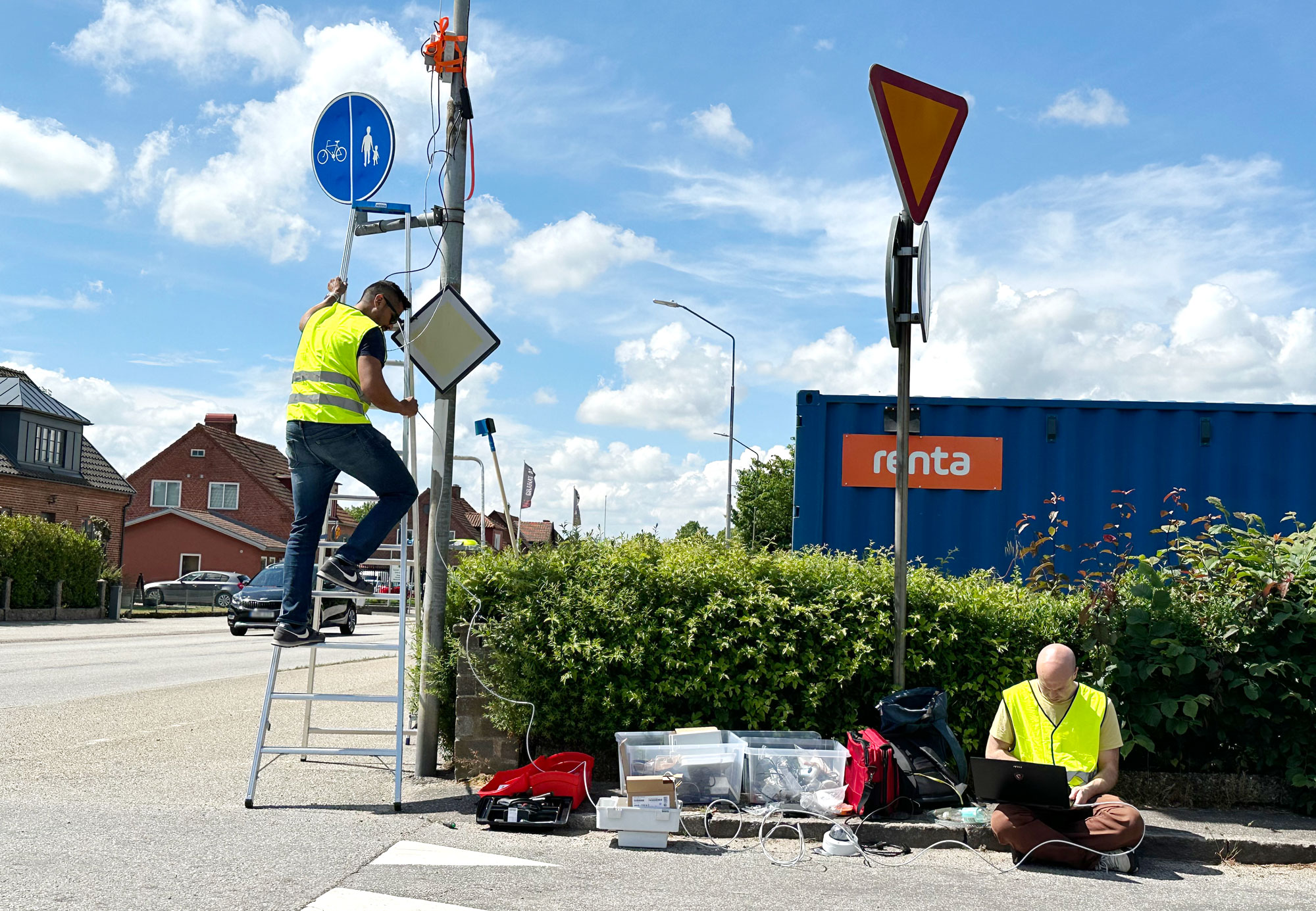
The last project for Lundaregionens part of IoT Sweden is Smart Communities Living lab.
- It is good that the municipalities get a place to test through Smart Villages. In this way, this can live on and evolve. What is being built is a research institute in a neutral location. There you can search for project funds for members and pool solutions to be able to achieve good scale-up solutions.
The final conference for IoT Sweden was held in mid-March 2026. During the morning there were six parallel tracks in front of over 300 participants. The fact that Lund left an imprint was not least noticed among the selection of panelists on stage.
Anders Trana participated together with Jan Malmgren from Smart Villages in the track “The smart city where technology creates security”. Our member Mats Pettersson from Sensative also participates in the programme item “IoT and the World: sensors without borders”.
- Conference was very good and there were many fruitful discussions. We came to the conclusion that this is not the end but only the beginning even though IoT Sweden is shutting down. There will be new types of constellations and right now the Internet Foundation is exploring how the work can be taken further,” Anders Trana concludes.