
What is the DNA secret behind good wool?
Knitting garments yourself is very popular right now – and wool yarn is a favorite material for many. Yet, wool from Swedish sheep is used to a much lesser extent than, for example, in Norway and England, and instead, we import large quantities, including from Australia. The innovation group behind the project "Bridge Builders for Personal Small-Scale Design, from Farm to Consumer" is now entering project phase 2 with the goal of finding ways to use more Swedish wool – not only for knitted garments and other textiles, but also, for example, for mulching material in gardens and insulation material.
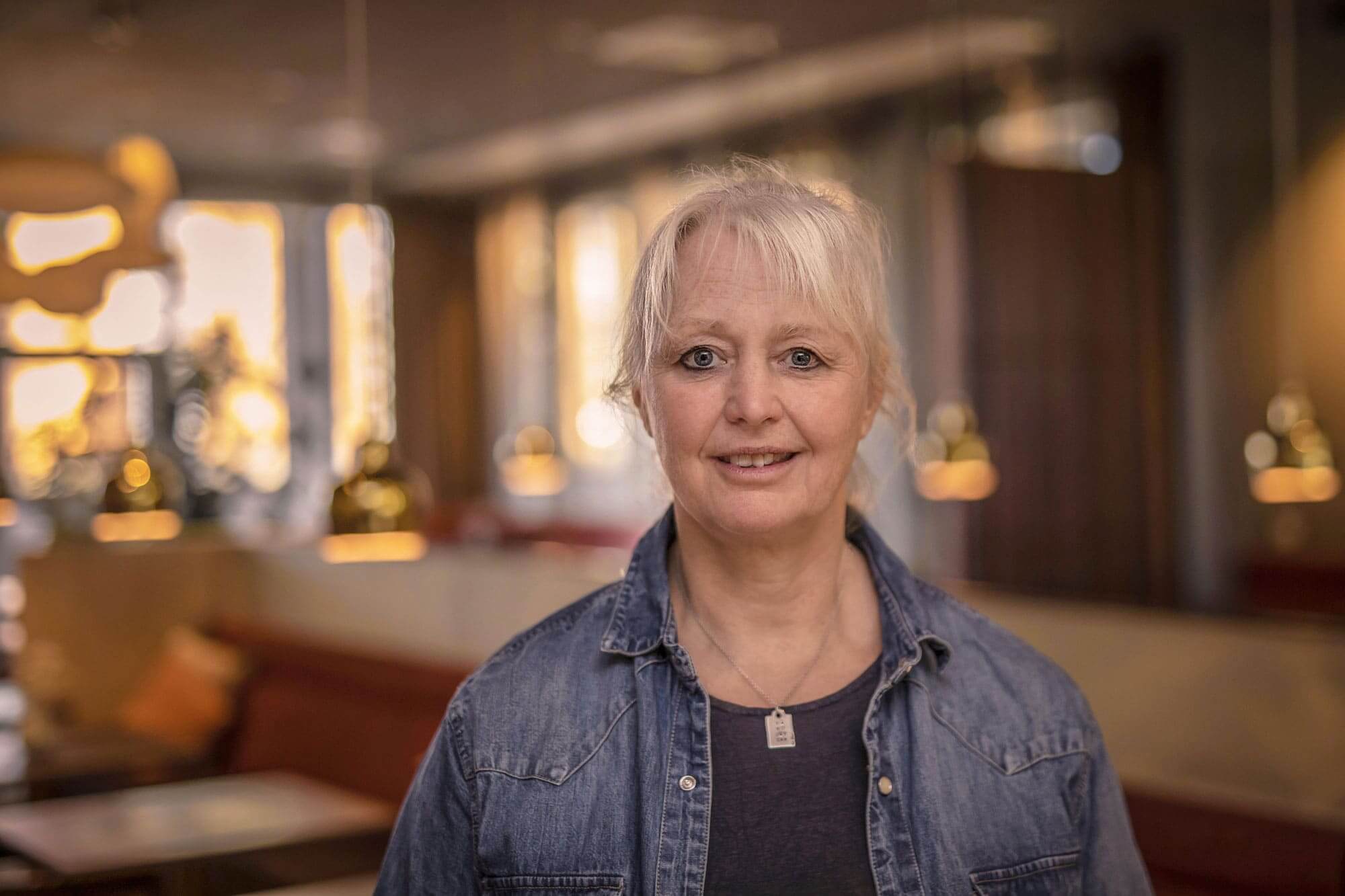
One reason wool is imported is that Swedish wool is considered less user-friendly than foreign wool and is believed to lack the properties for many processing methods and end products. To gain more information so that a larger proportion of wool from Swedish sheep breeds can be used, researcher Anna M Johansson at SLU in Uppsala is participating in the project. She researches genetics in farm animals, including not only sheep but also cows, goats, and pigs.
- "It's very interesting to now be able to research sheep and genetics more, as there are significant knowledge gaps about sheep," says Anna Johansson. "Sheep wool is an important resource that we should use much more. I believe that more knowledge about wool makes it easier to use the right wool for the right purposes."
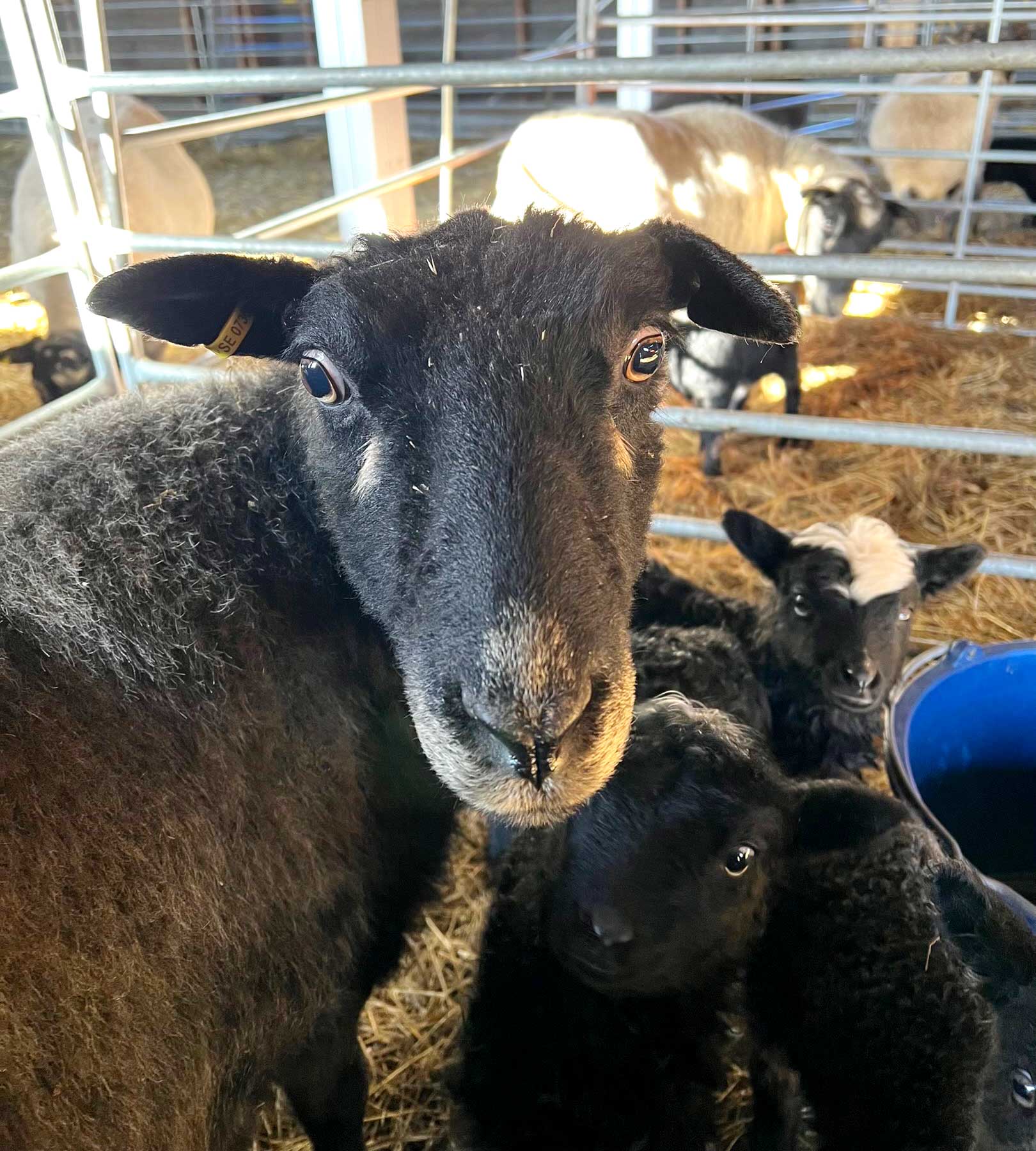
The wool from the 48 swabbed ewes will be collected when the sheep are shorn after the summer. Then, the quality can be assessed and compared with the ewes' DNA to look for correlations between genes and wool properties.
- "Different types of wool are suitable for different applications," Anna Johansson continues. "If we know more about the correlation between DNA and wool properties, in the future, for example, DNA samples could be taken from the sheep even before the wool is shorn. This would make sorting easier. We can also select sheep that produce wool with the desired properties."
The qualities primarily considered are, of course, color and the fineness and length of the wool fibers, but eventually also other properties such as the strength of the wool. There are also properties that can affect how easy the wool is to spin.
The wool is sorted into different categories, and a standard for how to do this has begun to be developed in Sweden. No matter how good the wool is, there will also be residual wool that cannot be used for textile production. Fortunately, there are also uses for this, including as mulching material in gardens or insulation material (like Snow Wool from Loop Factory). In project phase 2, the hope is to find even more applications.
- "More and more local initiatives are emerging, and I think that's fantastic," says Anna Johansson. "There's huge potential once we start utilizing the wool."
In project phase 2, the partners are working to reduce waste and create new products. An app for trading wool will also be created, allowing sheep farmers and those who want to buy wool to trade directly with each other without intermediaries, and customers could express their product preferences. The goal is to create an app that acts as an intermediary between the agricultural sector and consumers.
- "The digitalization of the wool market is very exciting, and I'm thrilled to be a part of it. It's important to have the entire chain, from wool to the finished product that the consumer can buy. Explaining where the wool comes from can be a selling point, as many want to buy wool from our Swedish sheep instead of imported or synthetic yarn."
In this project, wool is the example, but the idea is for this test to pave the way for other small-scale businesses as well. Potentially, there are many consumers who would gladly use these raw materials, but for this to happen, a process is needed that makes trade user-friendly for both consumers and producers.
Footnote: Wool can also be affected by environmental factors, such as the nutritional content of the sheep's feed and whether there has been a year of drought, but this is not the focus of this project.
Participants in project phase 1: Designer Erica Laurell, sheep farmer Mats Petterson, AnnKristin Hult, Rodens Ullbruk, master dyer Claes Hedström, Game Designer Anton Ekberg, Anna M Johansson, researcher in production genetics and sheep breeding, SLU, Innovation Platform FBL in collaboration with Lund University.
Project duration phase 1: sep 2025-2026-01-31
Funders: Swedish Board of Agriculture, EU
Project Phase 2 is hopefully set to begin in the fall of 2026.