Smart villages form association to shorten the path to connected communities
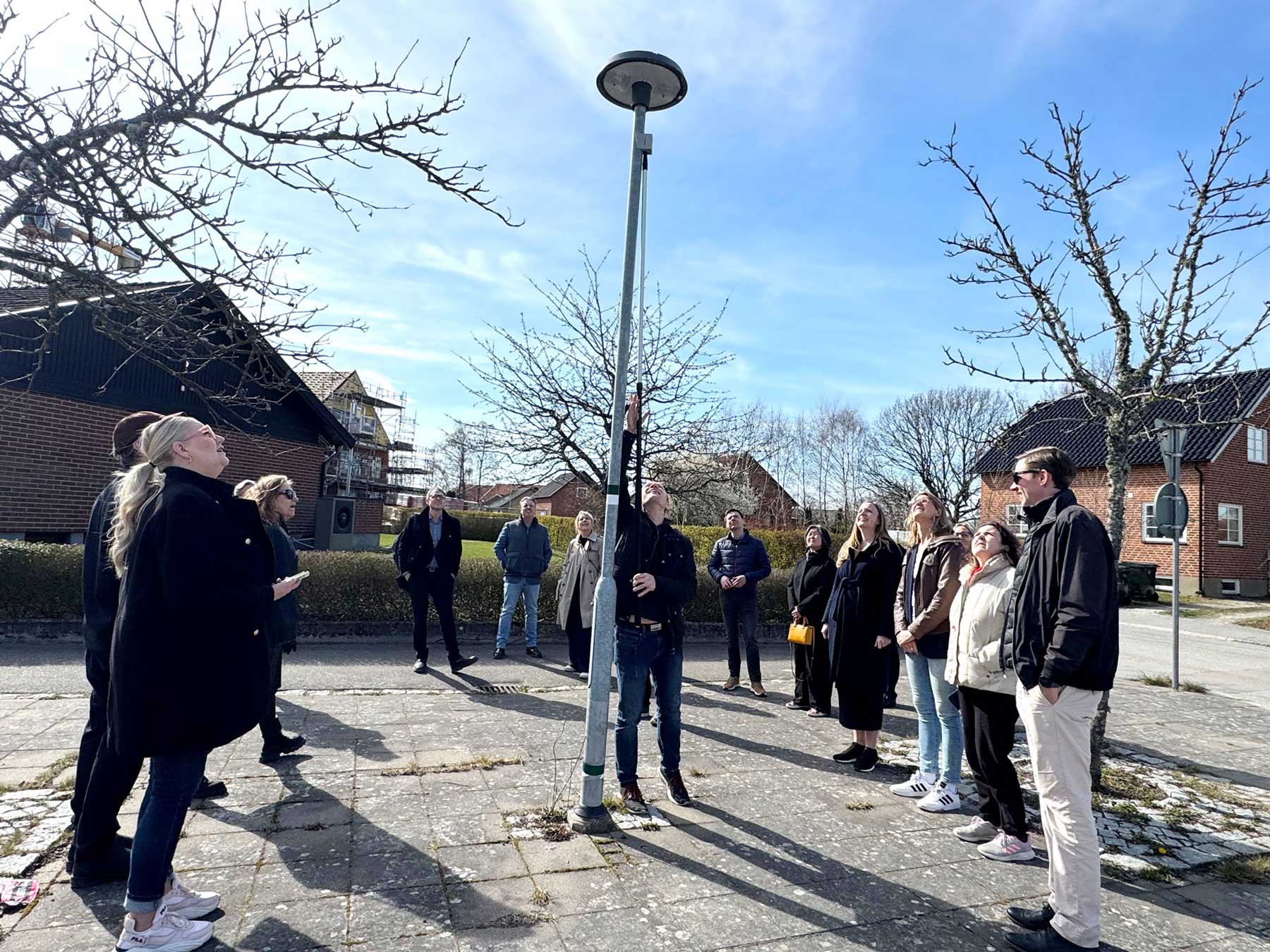
In Veberöd, the small village has served as a model and testbed for the digitalisation of a community through smart technology and IoT, including through several projects by Future by Lund. Smarta Byar'sidea of locally tested technology, village spirit and rapid innovation sparked so much interest from IoT Sweden andRegion Skåne that they invested in a national initiative for smart, connected communities in Veberöd.
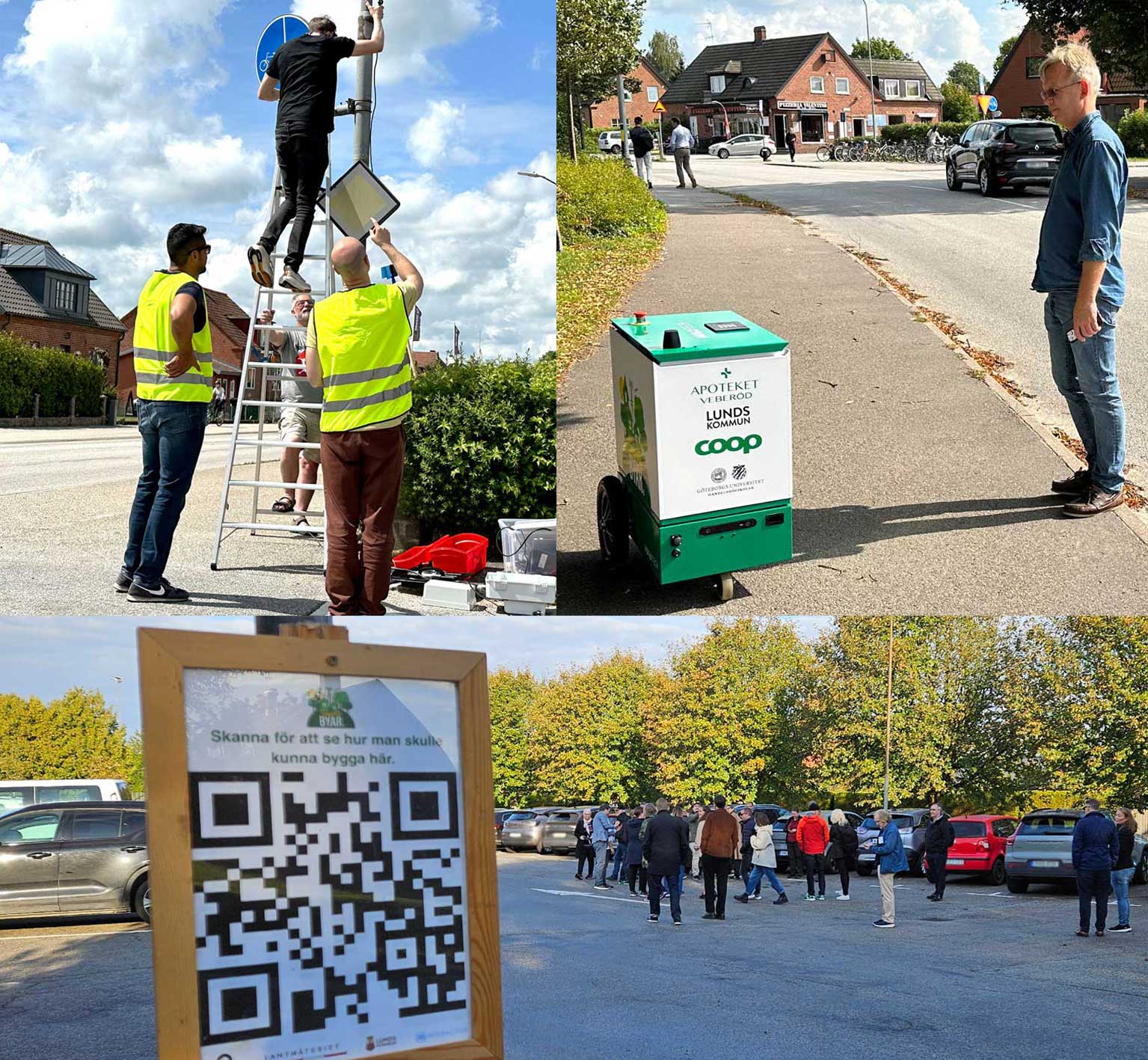
The initiative is based on over eight years of experience from the village of Veberöd, where Smarta Byar has carried out around fifty tests, ranging from digital twins, AI and self-driving delivery robots to apps for resident dialogue and sustainability data. What is unique is not just the technology, but how the test environment has been built up with genuine local engagement, rapid iterations and open sharing. Through the project Living Lab Smarta Samhällen a joint organisation was formed around the testbed.
Now that the project has concluded, the intention is to further develop the model that was established. The platform created, where openness, interoperability and documentation are key elements, will now be taken forward so that more municipalities, city districts and villages, as well as companies, can collaborate to more quickly and easily access all the benefits that working with sensors can provide.
"We are convinced that the pace of the sustainable transition can increase with smart, connected technology and data. But you have to ensure that the technology works and creates value, so that you don't introduce technology just for the sake of it. An immature industry often means that needs and solutions don't meet," says Jan Malmgren, founder of Smarta Byar.
The non-profit association Smarta Byar has been formed, with members including Future by Lund, Lund Municipality,Landskrona MunicipalityandCity of Malmö as well as Gate 21, the Internet Foundation, Pingday and Kraftringen, to become an open development partner for both the public sector and the business community, to strengthen research, innovation and the emergence of smart, connected communities, and for a shared commitment to smart digital transformation. The aim is to provide scalable solutions that are ready to be used to create a broad transition in society, in both cities and villages.
"We are developing a joint testing and development process, with several geographical locations to create breadth in technology and test environments. This creates a visible and common market for solutions. We share the development we do, instead of everyone reinventing the wheel," continues Jan Malmgren.
Can you give examples of how the non-profit association helps its members?
"By validating the solution in a three-step process through the 'Digital Hub' interface, members' solutions can be validated to ensure they work as expected. The IoT platform needs to work, but so do the mounts, installation and connectivity," explains Jan Malmgren. "The validation and testing of the solution are documented in detail, providing ready-made recipes for how to do it in practice and what equipment is needed. The recipe also becomes a good basis for procurement requirements. This means that member municipalities that adopt the solution can implement and procure it in a much shorter time and without incurring their own development costs. For our companies, this means that their solutions become visible on the market – and at the same time, the companies can better understand how to become relevant to municipalities."
The association operates through its test environments, process platforms and a village app that enables interaction and the development of new solutions together with residents. The Digital Hub process platform facilitates the rapid development of new solutions and documents tested and replicable solutions. Furthermore, there is an ambition to be a centre for research, where project funding is sought through collaboration with academia and other research actors.