Private sector partnerships crucial for urban climate transition
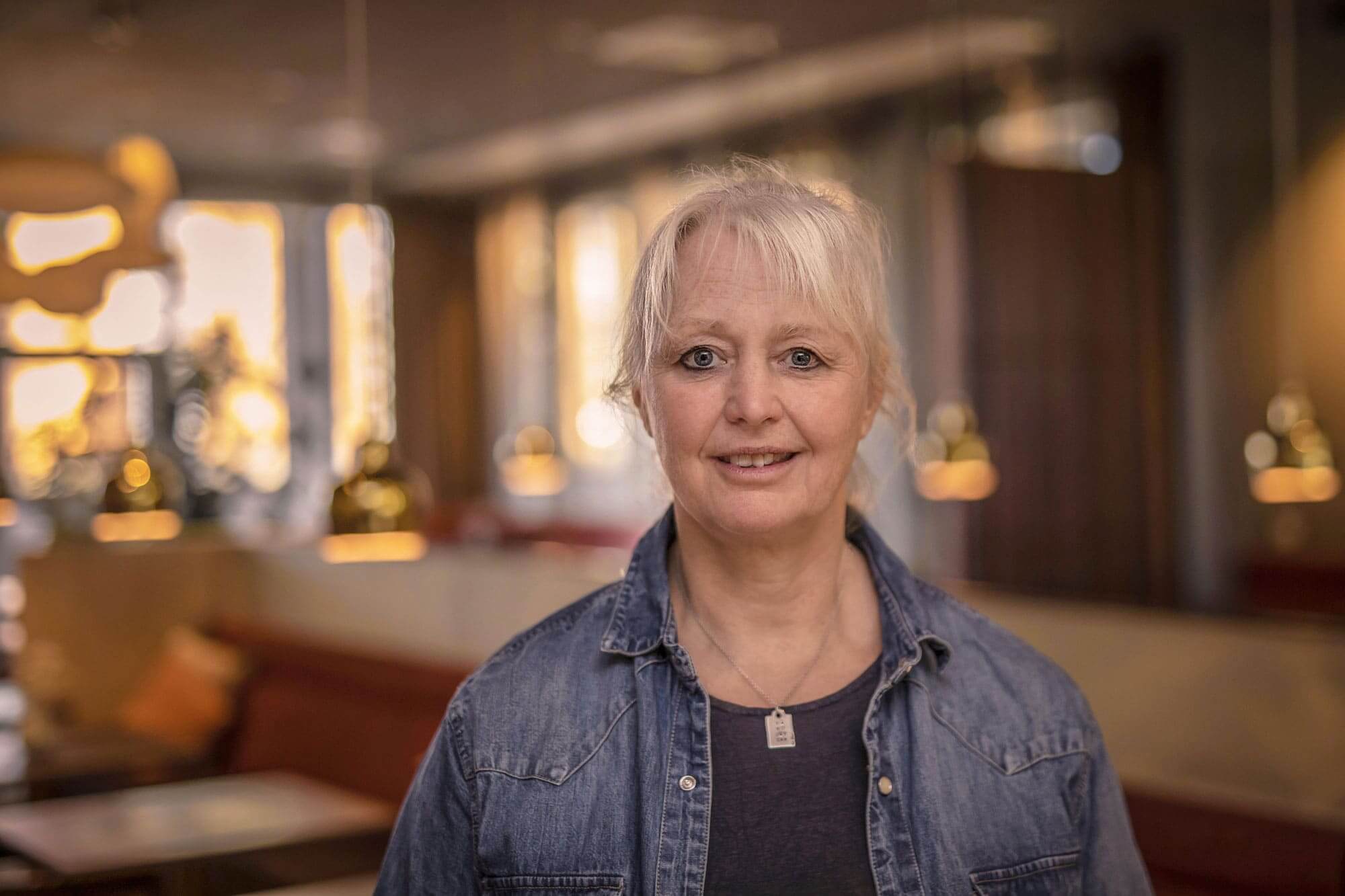
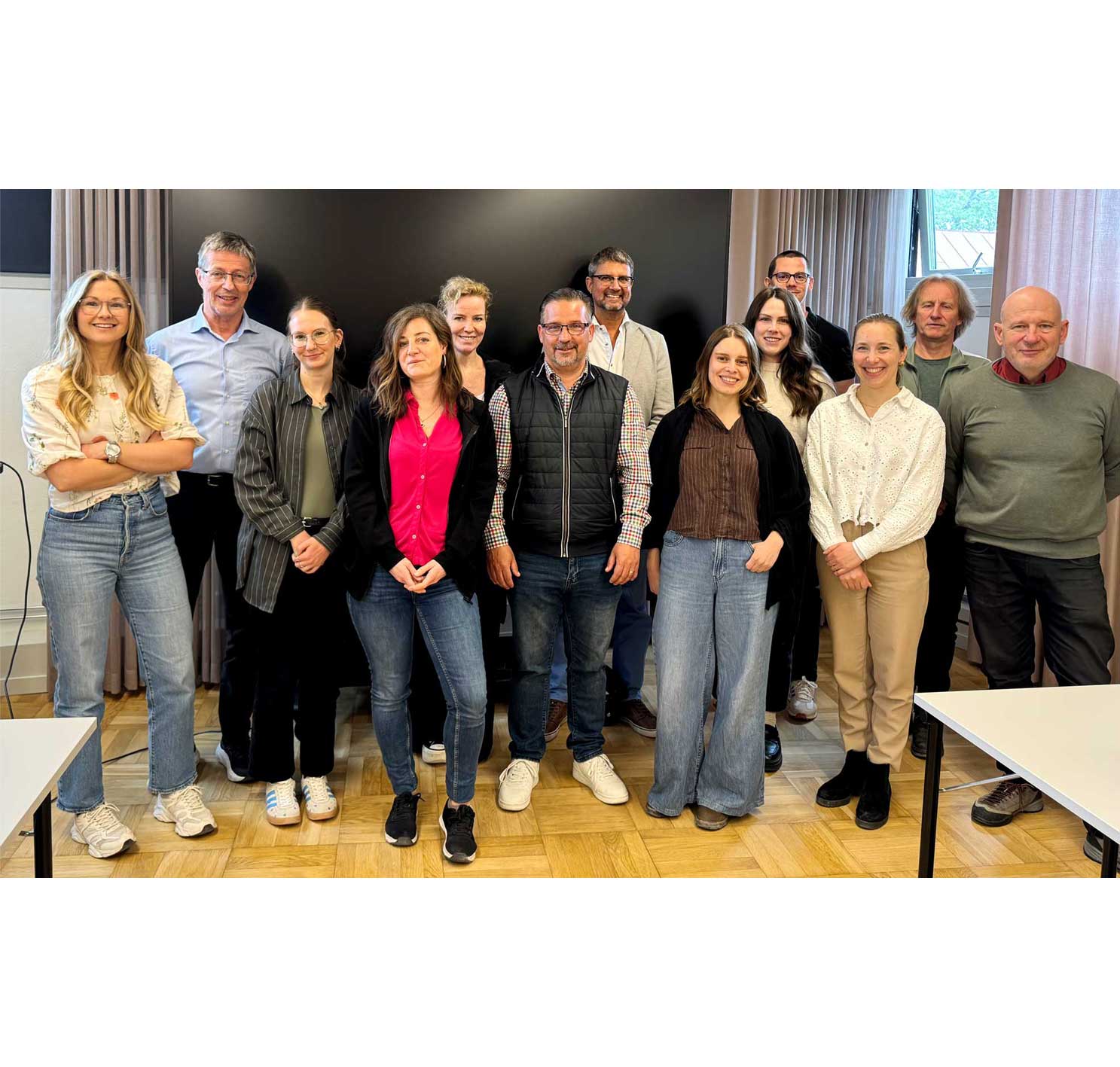
As part of CoGovernance Lund, represented by Mikael Edelstam from Miljöstrategi AB and Peter Kisch from Future by Lund, has collaborated with ten European cities on how the public sector can find financing solutions with the private sector. At last year's "City Mission Conference," a collaboration was initiated, involving Lund, Malmö, Stavanger, Trondheim, Leuven, Mannheim, Pécs, Vitoria-Gasteiz, Bristol, Milan, and Budapest. In addition, representatives from Net Zero Cities participated. (Article from previous meeting here)
Lund has been the city coordinating all meetings, and the final workshop was held in Lund in May 2026.
- It's a group of cities with very different conditions and strengths, and all are at different stages of advancement in their respective areas, says Mikael Edelstam. Our main goal has been to learn from each other and to understand the conditions of others.
It has also been about what recommendations the project can provide to other cities.
- There are many inspiring examples of how cities work, but it's often difficult to transfer them to another city, Mikael Edelstam continues. The reason is that success can depend on many factors – such as the presence of a passionate individual, specific legislation that made something possible, or interested companies. We need to get better at analyzing the conditions in each city to understand which examples are suitable for others to learn from.
Inspired by this, Mikael Edelstam, together with Peter Kisch and Birgitta Persson from Future by Lund, has developed a training program outside the project for cities on how to map their ecosystem of stakeholders and their assets, such as labs, test areas, and funding, and from this, begin to build portfolios of exciting climate projects.
Many factors are important when building a collaboration between the city and private actors. This involves both the city's resources in terms of working hours and knowledge, and the actors present in the ecosystem. There are also many soft values, such as building trust, understanding the next level of technological solutions, and gaining insights into systems, markets, and business models.
- An example of a fruitful collaboration with the private sector could be to let a private actor be responsible for investments, where they can then integrate services into a business model, because the public sector cannot bear all the necessary investments, Mikael Edelstam believes.
Mikael Edelstam lists three particularly interesting ideas that emerged during the project:
*The climate investment fund that Bristol has, which offers citizens the opportunity to invest in and profit from the climate transition.
*Leuven's approach to creating a large external organization of many different activities within "Leuven 2030" to work together on the transition.
* Mannheim's approach where they discuss what companies can do, and then map it to leverage those capabilities.
What was Lund's best contribution?
- I'd like to highlight two things from Lund. Firstly, there's the entire portfolio work and how Lund's efforts are linked, for example, to the CoAction Lund project, where about thirty organizations collaborate on energy, mobility, and construction. Secondly, there's the idea of creating a training program on how to co-create portfolios with the business sector. In this regard, experiences from Future by Lund have been very valuable.
What's it like working on international projects?
- It's both educational and inspiring to meet other cities facing similar challenges. Nordic cities can learn a lot from cities with fewer resources about how to be creative to make things happen.
What are your hopes for the future?
- That we, together with a group of cities, succeed in creating a continuation of the project so that we can continue to drive the transition together with the private sector.
Partners in Lund's part of CoGovernance, in addition to project leader Lund Municipality, are the innovation platform Future by Lund, Miljöstrategi AB, and Lund University. The project is funded by NetZeroCities within the EU's City Mission.