
Global Trends Affect the future of Lund
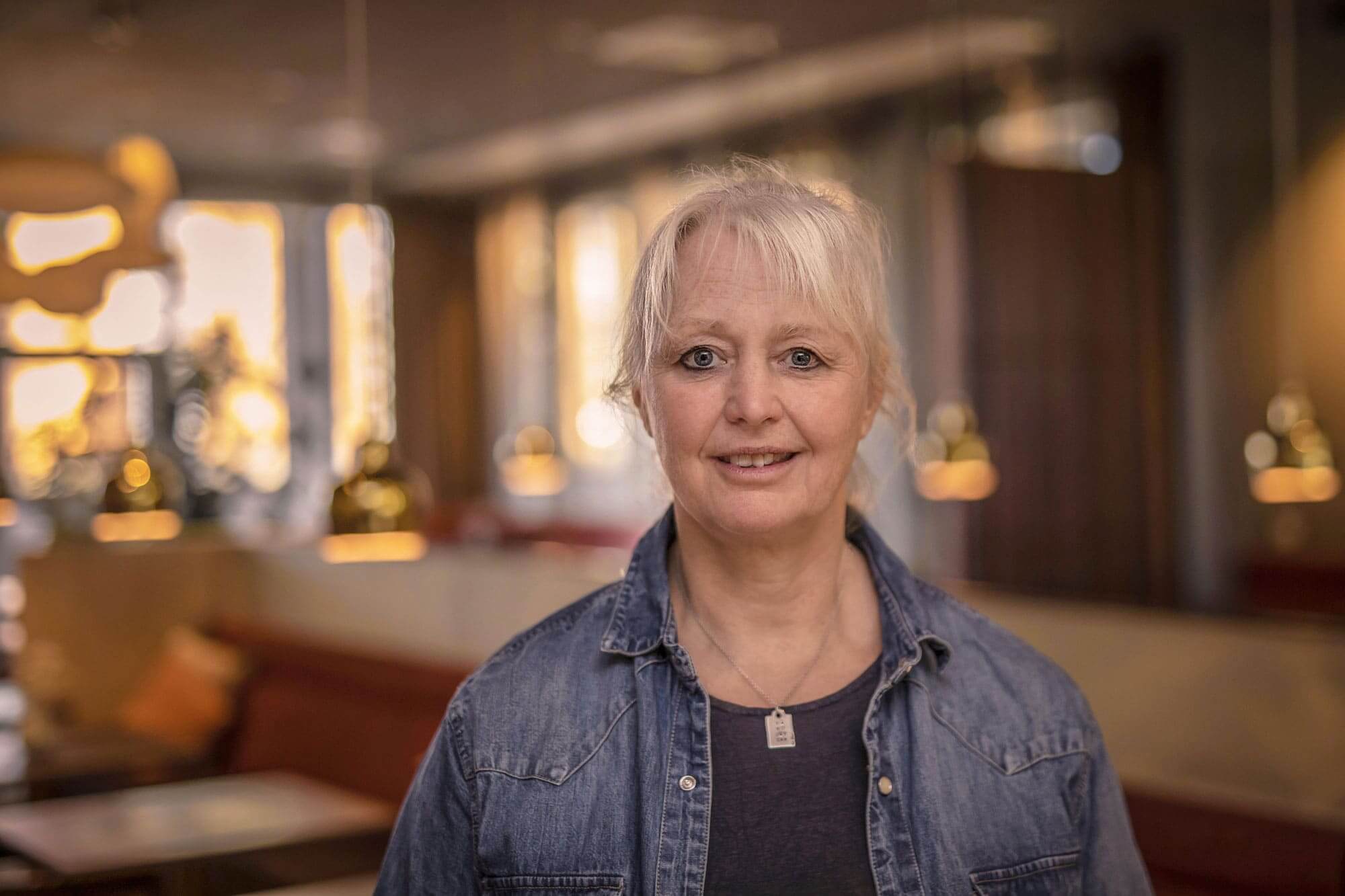
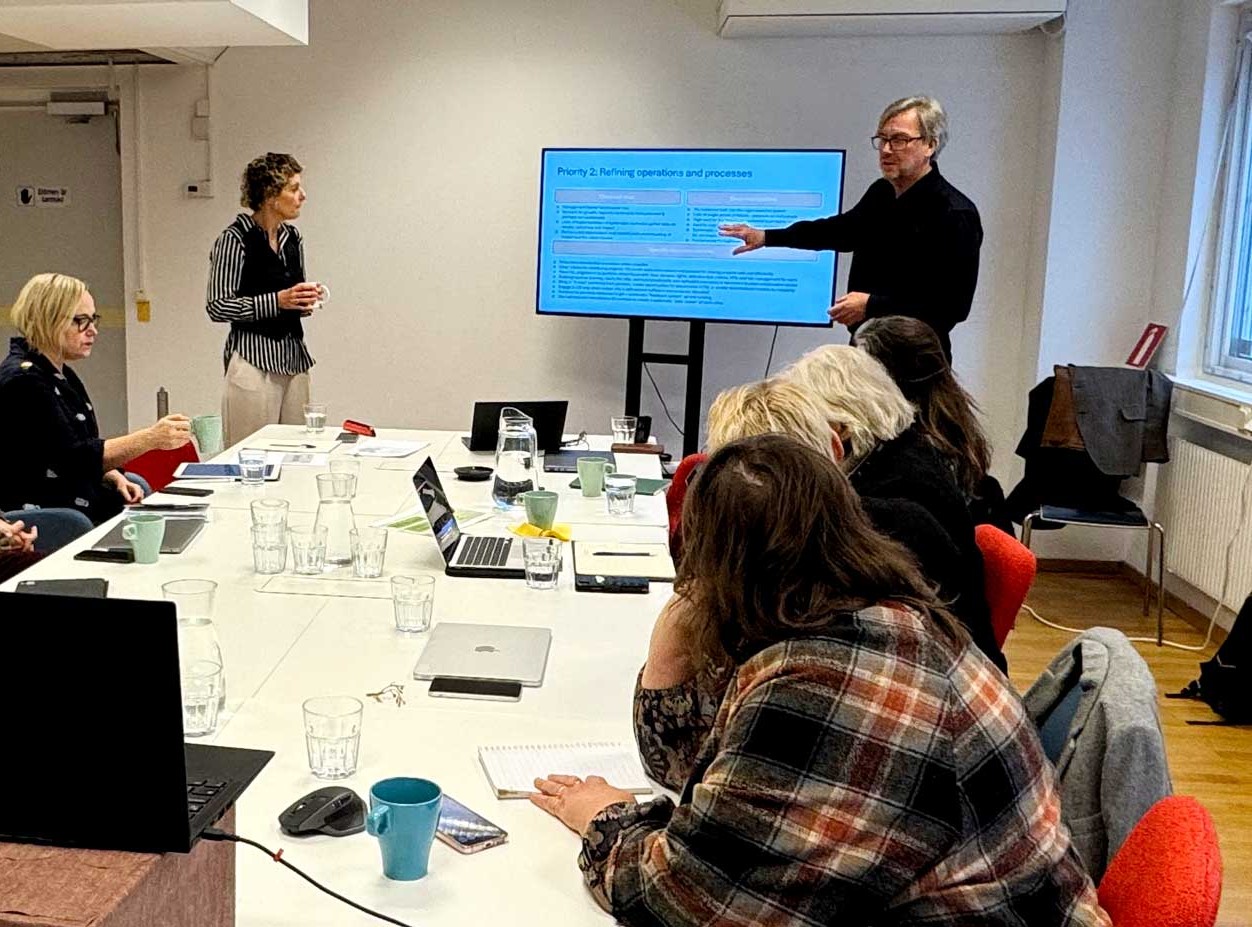
To understand Future by Lund in a global and national context, the evaluators delivered an overview. Therefore, Emma Frost, Chair of the UK Innovations District Group, which is a network of leading innovation districts in the UK and Göran Andersson, who among other things has worked with Sweden's innovation platforms at Vinnova, gave their view on the biggest trends in the world in innovation systems.

They presented five major global challenges and themes:
1. AI is now a basic infrastructure. AI has gone from being somewhat experimental to being used in all sectors in a very short space of time. This has led to a wave of what we call incremental innovation, the step-by-step change. And it has also led to a huge increase in demand for different skills; so talent and skills pipelines need to be shifted to be able to work really effectively with AI across many sectors. Increasingly, AI is augmenting with other sector technologies, be it robotics, bioengineering or energy optimization.
2. Climate and energy transition. This theme is also linked to AI, because increased use of AI produces higher demand for energy and water. The AI surge translates into different innovation needs in energy efficiency, power amplification and digital infrastructures. This is in line with existing climate neutrality commitments driving innovations in clean energy, batteries, recycling, hydrogen and grid flexibility – but it is intensifying the demand. Not long ago, climate and energy innovation used to be about prototypes and pilots of different initiatives, now it is a lot about how to spread and scale them.
3. Geopolitical fragmentation. Geopolitical turmoil and uncertainty are driving a major shift toward what might be called technological sovereignty. Governments are tightening controls on strategic technologies, such as semiconductors, quantum physics, space and biotechnology, balancing scientific transparency with research security and resilient supply chains.
4. Sovereignty in innovation. Countries are trying to tighten and localise supply chains in a way we haven't seen in a long time. And it has a direct effect on public investment and affects where companies conduct their research and development as well as where they have their manufacturing base. This is reflected, for example, in AI, chips and cleantech.
5. Decentralized innovation capacity. Last year the Global Innovation Index showed that the capacity for innovation is spreading beyond its traditional strong strongholds. So whereas in the past we saw North America and Western Europe as core areas for innovation, we are now seeing fairly rapid pickups in parts of Asia, North Africa and Eastern Europe. These are countries that adapt very quickly, and although their funding may be tighter, they are doing a lot with start-up support and training and are digitising at a much faster rate.
- It can be helpful for Lund to reflect on some of the global models for innovation practices, says Emma Frost. Over the past decade, there have been three distinct national archetypes crystallized. The US model is very focused on private tech giants and big venture capital. The Chinese model is more state-run with large scale and manufacturing depth. Then there is a much more fragmented and research-focused European model. The models shape who leads innovation activity on the front line, how quickly ideas spread and how resilient each block is under the geopolitical and economic stresses that exist.
The US model tends to be a small number of very large technology companies, often in the platform industry, with a rapid feedback system between their research, product development and global implementation. In China, it is a very different approach where mass policy tools, state-led five-year plans, industrial programs and large tax deductions have led to large public research and development efforts, which can launch products very quickly, such as electric cars. In Europe, the ecosystem relies heavily on public research, often through universities and other research-heavy organisations. It is a research-led, multifaceted mix of organisations model. This does produce some excellent results and some prominent businesses but in general comes with lower spin-out rates or fewer platform-like tech giants than the US or China.
- In summary, these three different types of innovation policies have become much more protectionist in recent years, and they are all subject to the same kind of global pressures and forces. All three are increasingly focused on mission-oriented ecosystem development, but the mission varies. The pace has changed dramatically, so the ability to be agile and to work really dynamically will become even more important in the next ten years of global innovation systems. Lund with its deeply scientific, research-based expertise needs to adapt to this and be connected to system changes and global supply chains.
The national context is obviously influenced by international trends.
- The focus of Swedish program efforts is changing, says Göran Andersson. The national picture reflects global trends and especially European ones. For example, Vinnova's efforts are increasingly guided by direct government assignments. What we see now is, among other things, investments in national clusters of excellence in key technologies and civil-military benefits (dual use), while investments in sustainable cities and place-based innovation and renewal are not as prominent.
In order to carry out the evaluation, Emma Frost and Göran Andersson conducted interviews with Future by Lund employees, the board of directors and member companies.
- The picture we get from the interviews is that people are still working in silos, both regionally and locally, says Göran Andersson. The region, the municipality and the university are key players in driving the entire innovation system. It is fundamental to reorientate all the different partners towards the same “Team Lund” mission, whether it is the Lund Innovation District or any other concept. Lund can be a spearhead when it comes to innovation districts in Sweden, if you use it right. My advice is to compare with others, look both nationally and internationally to see how they work with challenges, communication and funding. And make sure everyone is involved!