Elonroad – the innovation from Lund that has gone global
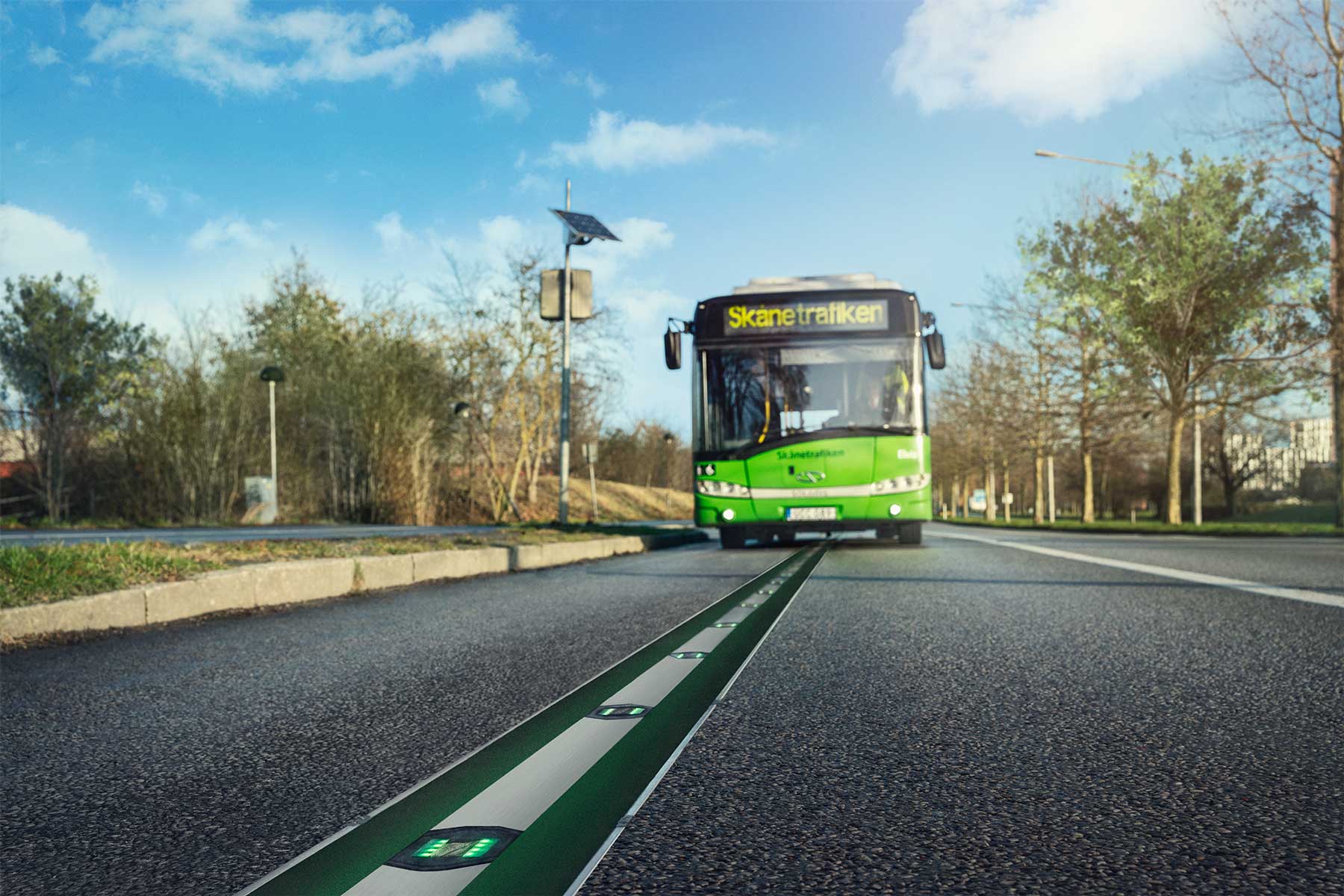
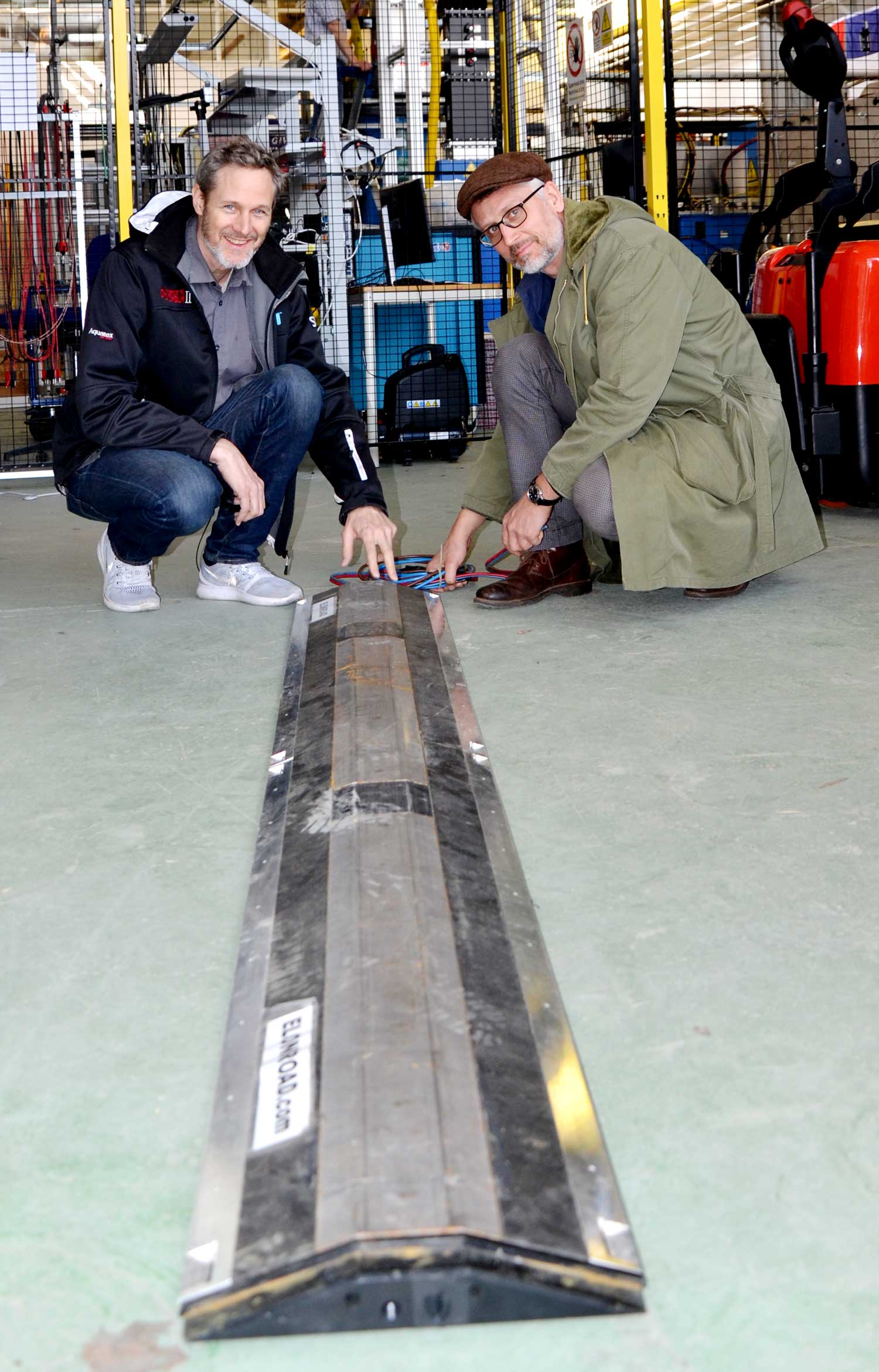
When Dan Zethraeus looked at tire tracks on snowy roads, he realized there was space on the road surface to charge electric vehicles while they drive – and together with LTH, he developed electric rails that can be mounted on the road.
At an early stage, Future by Lund was involved in Elonroad's development by providing assistance with, among other things, the business side and creating contacts within an innovation ecosystem. Eventually, the future project manager Per Löfberg was hired by Future by Lund to bring together the necessary stakeholders and write the application for an electric road project.
- We had Lund University's, Kraftringen's and Future by Lund's support early on, says Per Löfberg, who has followed the electric road from Future By Lund to Innovation Skåne and later Elonroad. We identified which additional stakeholders were needed and saw that we had the opportunity to do something disruptive with great potential. It was exciting that we could gather so many forces pulling in the same direction.
The application written to make Lund a test site for the electric road involved Elonroad, Lund Municipality, Lund University, VTI, Innovation Skåne, Kraftringen, LTH, Skånetrafiken, Solaris Bus and Ramboll. The application was approved in 2018, and Future by Lund passed the baton to Innovation Skåne, which led the work of creating a real electric road on Getingevägen in Lund. The electric road was tested for three years and proved capable of benefiting electrified transport, resulting in reduced climate emissions, for example through the time-saving method of charging on the go and by allowing for smaller vehicle batteries.
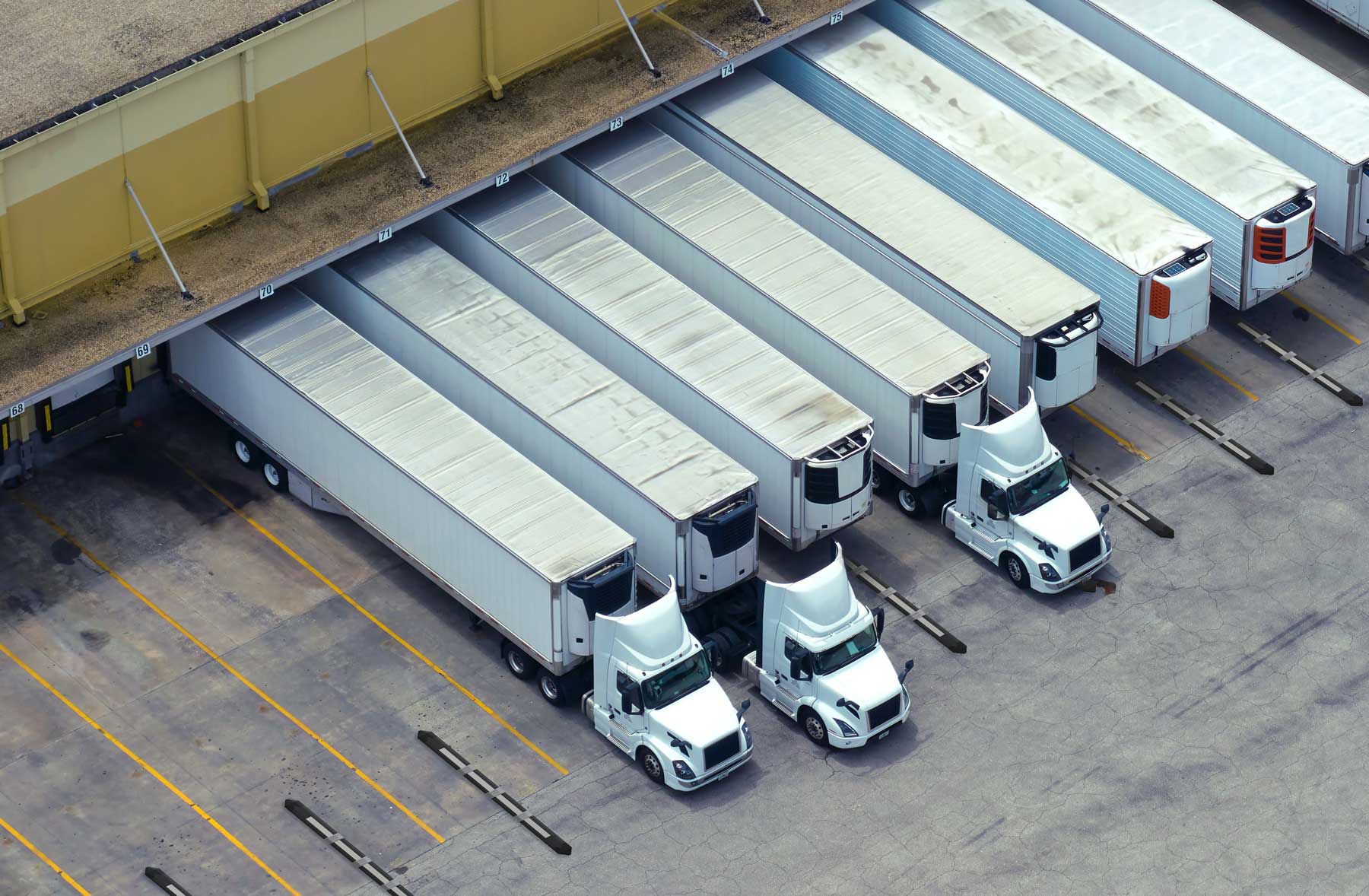
The company Elonroad continued to develop, partly through the appointment of Karin Ebbinghaus as the new CEO. Manufacturing of rails also began in a new facility in southern Lund. Since then, Elonroad has held several investment rounds, and previous capital has been used to scale up an offering of automatic charging infrastructure – with a particular focus on ports, logistics, and industrial transport flows in Asia, North America, and Europe. It turned out that Elonroad's innovation is a time-saving way to charge heavy-duty work vehicles even when they are stationary. In the Port of Long Beach in California, Elonroad has been selected to provide charging solutions to reduce carbon emissions, both through electric roads and stationary charging stations. At the same time, Elonroad has a long list of other ongoing collaborations. Elonroad is building an electric road at an innovation center in Ljungby, and an automatic charging system for heavy electric vehicles is set to be implemented in the Port of Oslo. Just outside Paris, Elonroad was commissioned by the French government to install a two-kilometer stretch on the A10 motorway.

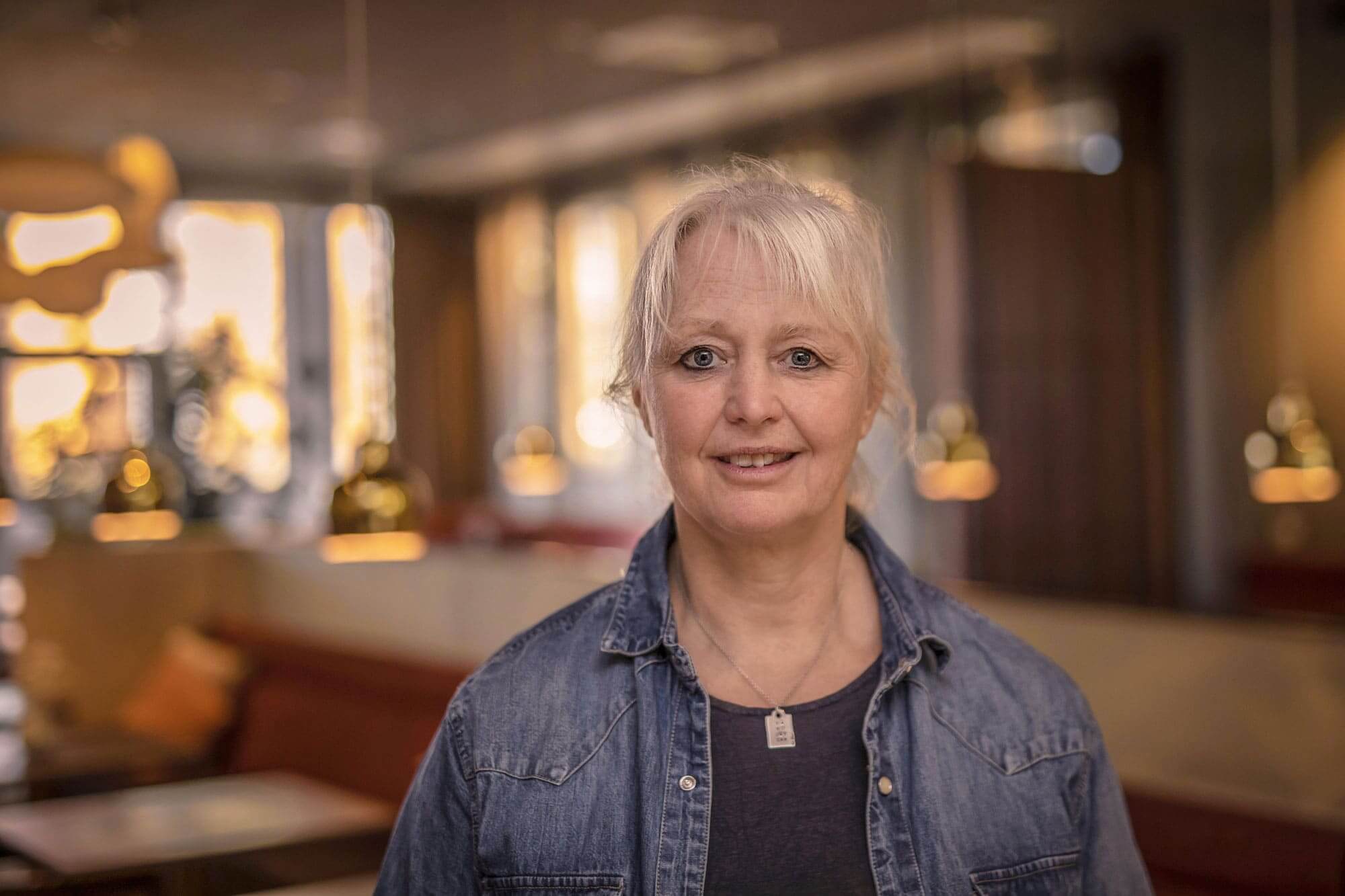
"When I joined Elonroad, it was largely about taking the step from a promising innovation to a company that could deliver to real customers," says Karin Ebbinghaus. "We needed to build the organization, production, and work processes, but also become clearer about what problem we solve and for whom. A crucial shift was to start with the customers' operations rather than the technology. In ports and logistics, vehicle availability is absolutely central. If they have to be taken out of service to charge, the customer loses both time and productivity. We saw that our technology could create very concrete value by bringing energy to where the vehicles operate and making charging an integrated part of the business."
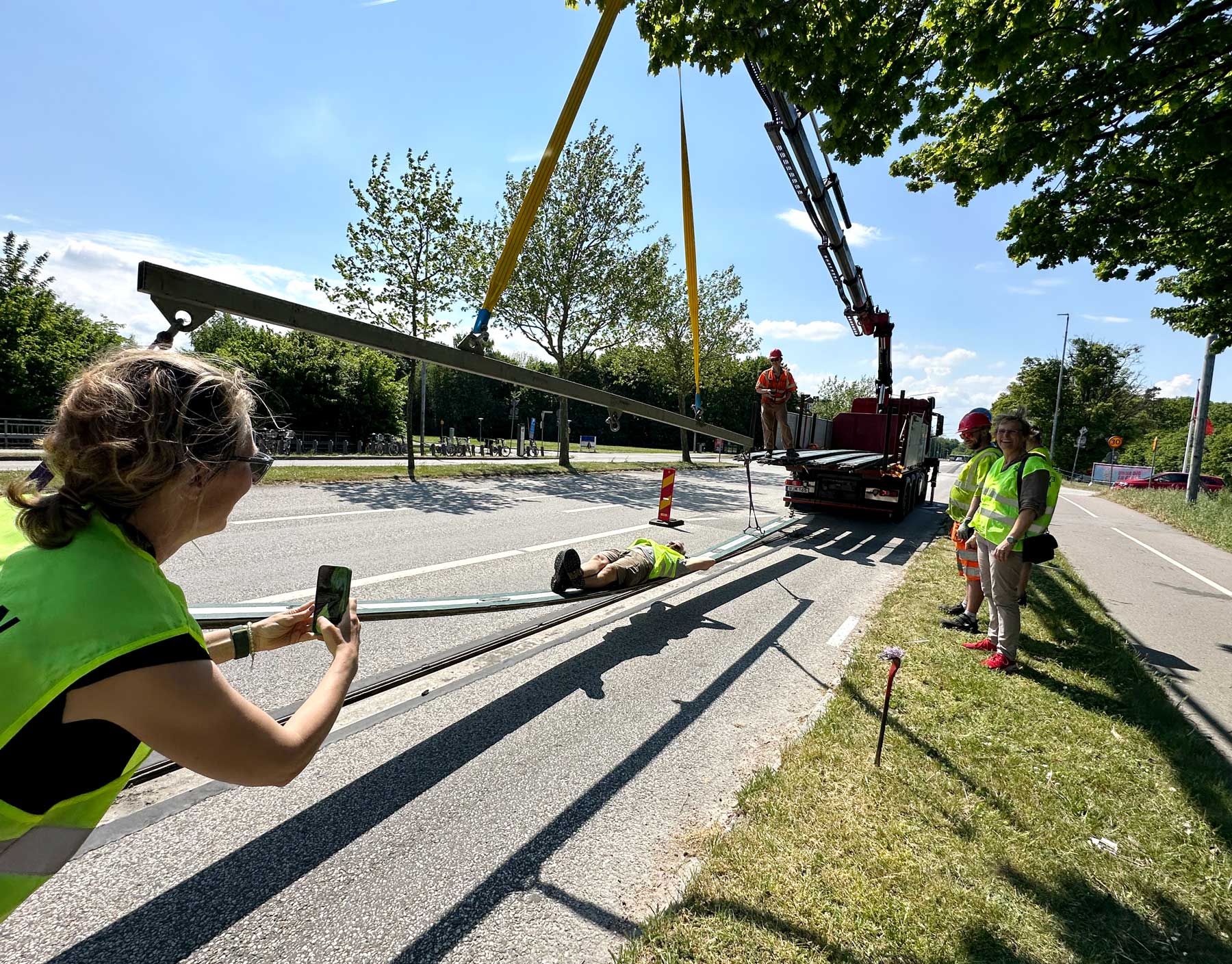
Today, Elonroad's revenue comes from several areas.
"Today, we offer a system for automatic charging of heavy electric vehicles, both when they are stationary and when they are driving," continues Karin Ebbinghaus. "Our revenue comes from customer projects, hardware, installation, and system integration, along with recurring revenue from software, service, and support. Our commercial focus today is primarily on ports, logistics, and other closed operations where high availability and efficient vehicle flows have significant economic value."
In the spring of 2026, Dan Zethraeus presented insights on automatic charging for heavy electric vehicles in port environments during the RTR Conference 2026 in Brussels.
"Our solution shows clear progress in how to industrialize leading charging systems, integrate automatic charging into port operations, and create scalable distribution paths for heavy electric vehicle solutions," were some of Dan Zethraeus's conclusions.
Dan Zethraeus – looking back at what it has been like to start and run Elonroad – what have been the decisive factors in driving the idea forward and leading to what Elonroad is today?
"It feels very special to see how something that started mostly as play, curiosity, and a hobby has grown into a real company with 40 employees. I had the basic technical ideas, but the technology has been developed together with many others. We have received valuable help from Lund University, not least from Professor Mats Alaküla, as well as students and engineers who have contributed knowledge, ideas, and development work over the years."
"Developing the technology is one thing; building a company is something completely different," continues Dan Zethraeus. "Karin Ebbinghaus has done a fantastic job building the company and the organization and getting all the parts to work together. We would never have reached this point on our own. Over the years, we have received an incredible amount of help from people, universities, and companies that have shared their knowledge, experience, and time. There are so many who have been involved in different ways to make this journey possible."
Peter Kisch and Future by Lund were involved in an early phase when the project was being shaped and the application was being written, and they have continued to follow Elonroad's development since then.
"It is fantastic to follow Elonroad and their work on creating electric roads," says Peter Kisch. "To begin with, it is a strong innovation – but the journey since then highlights the fact that you have to be persistent to reach the finish line in these types of matters. It is clear that an experienced visionary like Dan Zethraeus and the team he built around him are incredibly important for driving the issue. At an early stage, a connection was made to expertise at LTH, and the first tests could be conducted because public venture capital was secured. The electric road is a complicated product that requires many stakeholders to be involved in order to conduct real tests and make necessary decisions. Another important factor is that Karin Ebbinghaus came in as CEO and found financiers and capital – which is especially important when the innovation is hardware that is expensive to build. It is a complicated product and business idea that takes a long time to develop, and it is very impressive that the company has come this far."
What began as an idea about charging vehicles via the road has developed into a complete system for automatic charging of heavy electric vehicles. Today, Elonroad creates commercial value in ports, logistics, and industry. The long-term vision remains the same: that in the future, vehicles will be able to receive energy from the road while driving, and that electric roads will exist all over the world!