
City Prototyping highlighted at international cultural policy conference in Nice
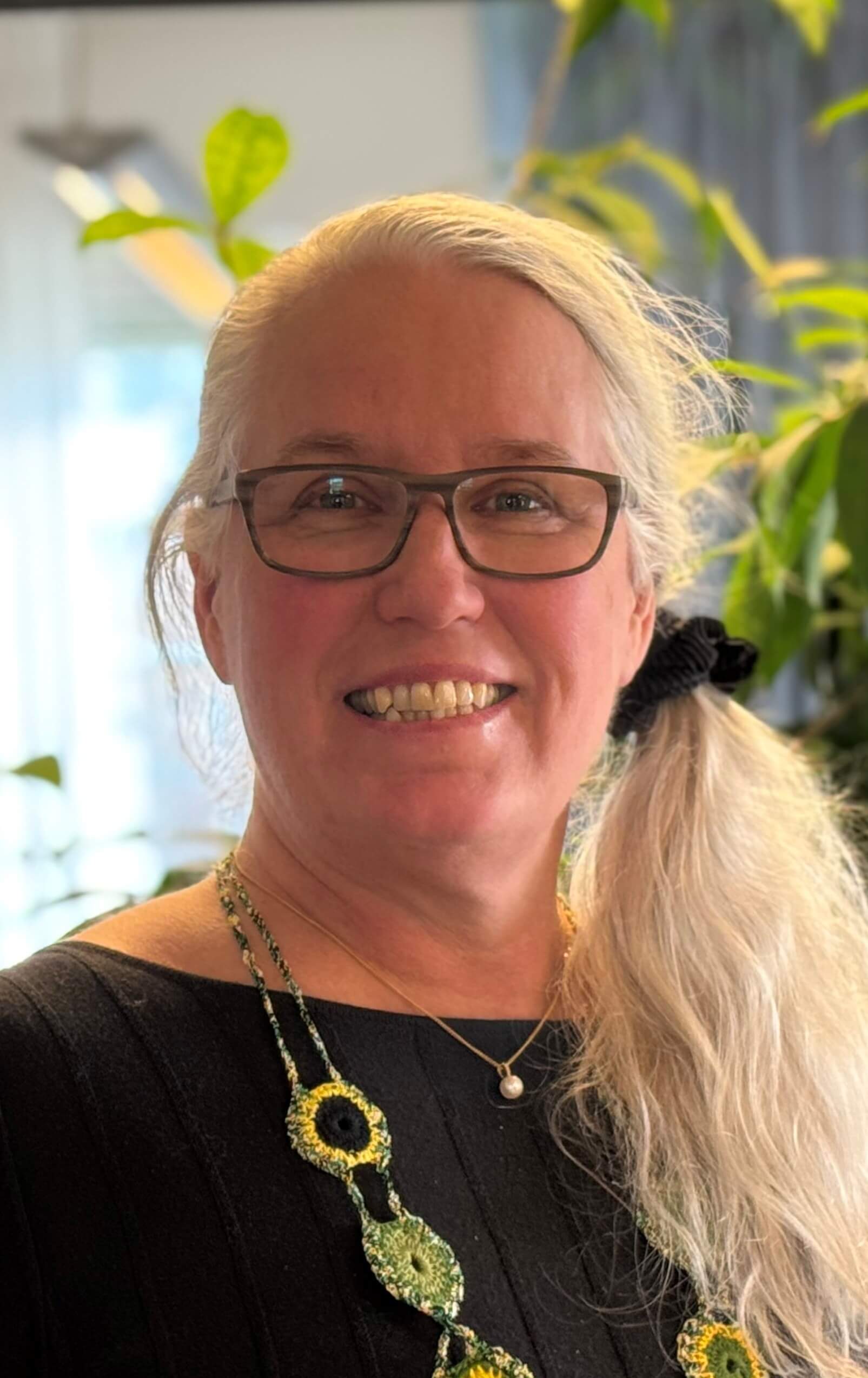
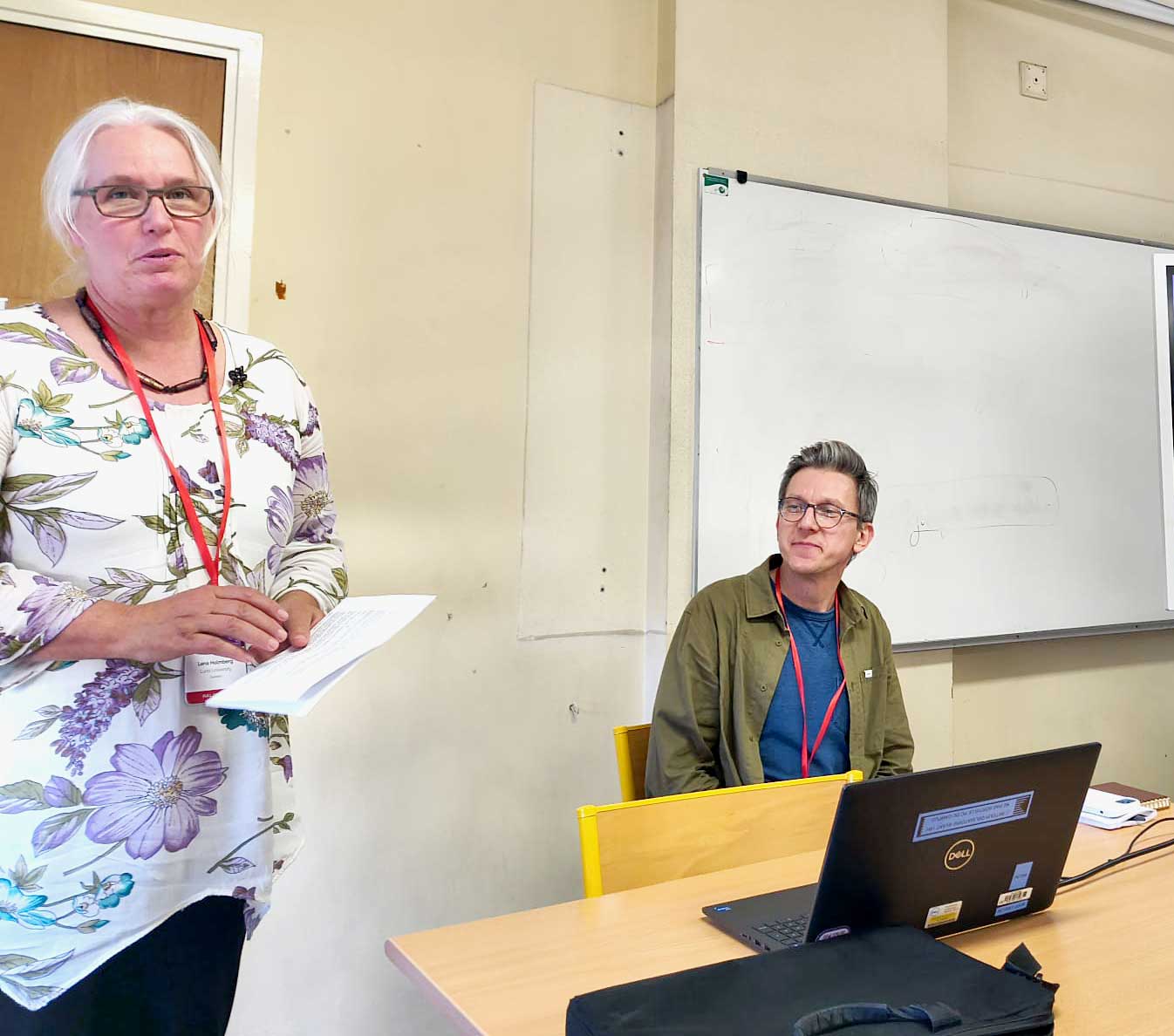
Photo: Caitlin McDonald från University of Edinburgh
Lena Holmberg, Lund University, and Marcin Poprawski, HUMAK University of Applied Sciences, presented the work on ekip City Prototyping at the ENCATC Congress in Nice on September 23–25. The presentation was part of the session "Creative ecosystems, infrastructures and alter-organising frameworks in the cultural and creative sectors" and addressed how cities can serve as places where new innovation policy is not only discussed but also tested in practice.
The article on which the presentation is based is titled "Using City Prototyping to create open innovation ecosystems in, for and with cultural and creative industries." The focus is on the role of intermediaries – actors who can create connections between culture, creativity, research, the public sector, business, and civil society. In ekip, City Prototyping serves as a way to translate European policy ideas into local contexts, where various actors can explore together what a recommendation would mean if it were put into practice. Read more about City Prototyping.
The ENCATC Congress brought together researchers, educators, cultural actors, and policy developers to discuss the conditions, working methods, and ecosystems of artists and cultural professionals. Much of the conversation revolved around cultural policy, but in several sessions, it became clear that the issues also concern innovation and entrepreneurship in a broader sense. It is not just about commercial opportunities, but about how creative competence can contribute to transition, social development, and new forms of collaboration.
"An important reflection from the conference is that cultural policy and innovation policy need to move closer to each other," says Lena Holmberg. "If cultural and creative industries are to play a greater role in innovation ecosystems, the public sector must also embark on its own innovation journeys. It is not enough for creative actors to develop – the support systems must also be able to change."
A concept that recurred in the discussions was "policy entrepreneurship" – the ability to identify opportunities, bring actors together, and drive change within or in close interaction with public organizations. This is central to the work with City Prototyping. The method not only makes visible which policy ideas seem promising, but also which relationships, resources, and infrastructures are needed for the ideas to be feasible in a local context.
For Future by Lund, the presentation in Nice represents another step in spreading and developing City Prototyping as a working method. The method has been developed through the interaction between Future by Lund, Lund University, and European partners within ekip, and shows how local test environments can contribute to more accurate policy recommendations at the European level. By allowing cities to become places for mutual learning, policy development can become more concrete, experimental, and useful for the actors who are to implement it in practice.